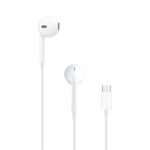
Offers strong battery life and compatibility with both ecosystems at a competitive price point, balancing brand appeal with solid features.
Price vs. rivals
Typical
CheaperTypicalPricier
Priced in line with mid-range wireless on-ear headphones from major brands, offering a balanced value proposition without being notably cheap or expensive compared to similarly featured competitors.
Ease of use
Excellent 90/100
Easy wireless pairing, long battery life, and lightweight design make it straightforward for most users, though on-ear fit may be less comfortable for prolonged use.
Beats Solo 4: Overview
What it is, really, is a long-overdue update to a classic on-ear design. Beats kept the familiar silhouette but swapped in a lighter frame, better battery life, and a proper USB-C port. If you spend your days hopping between Zoom calls and podcasts on the subway, this headphone cuts out the clutter. It solves the “I need something that stays on, doesn’t crush my ears, and lasts all week” problem. But it’s not a noise-cancelling fortress, so be honest about what you actually need.
The Solo 4 is for someone who values portability over isolation. It folds flat, weighs practically nothing, and pairs instantly with an iPhone. If you’ve ever fought with a train strap while wearing big over-ears, you’ll understand the appeal. It’s also refreshingly simple – no app required to get decent sound, though the optional one adds EQ if you’re picky.
Beats Solo 4 Key Features
50-hour battery life – You can charge it once and forget about it for two weeks of daily commutes. A 10-minute quick charge gives you about three hours of playback, which is genuinely useful when you realise the battery is low at the platform.
Ultra-lightweight design (under 220g) – Most on-ears feel heavy after an hour. This one doesn’t. The weight distribution is good enough that you might forget you’re wearing it during a long walk.
USB-C and 3.5mm wired playback – No proprietary cable nonsense. You can use the same charger as your laptop, and the included 3.5mm cable means you still have a backup if the battery dies mid-flight.
Class 1 Bluetooth for extended range – You can leave your phone on the kitchen counter and walk to the far end of the apartment without stuttering. Useful for those “I left my phone and now the podcast stops” moments.
Apple H1 chip for one-tap pairing – If you have an iPhone, it connects the instant you flip the headphones open. No digging into settings. Android users get a similar experience via the Beats app, but it’s slightly less magic.
Custom acoustic platform with a vented driver – Beats claims more clarity and less bass bloat than older models. From what owners report, the sound is cleaner than the Solo 3, though still emphasised in the low end. You won’t mistake it for audiophile gear, but it’s fun.
Fit for You
You commute on a crowded train and need something that won’t slide off when you look down at your phone.
You wear glasses and over-ear headphones always press the arms into your temples – on-ears like these sit on your outer ear instead.
You live with other people and don’t want to blast music through speakers during a late-night work session.
You’re tired of charging your headphones every two days and want something that lasts an entire work week on a single charge.
You own an iPhone and want the same seamless pairing experience as AirPods but prefer the headband form factor.
You need a second pair of headphones for traveling light and don’t want to risk your expensive noise-cancellers getting scratched in a crowded bag.
Uses
On the morning commute, the Solo 4 is nearly invisible. It folds into a compact shape that slides into a jacket pocket or small bag, and the soft ear cups let you hear station announcements if you keep the volume moderate – useful when the conductor mumbles something about a delay. You’ll still catch ambient noise, which is actually a plus for safety on a bike or walking near traffic.
At a coffee shop, the passive isolation is okay for conversations but won’t block a hissing espresso machine. You’ll hear the background chatter, but your music cuts through well enough. If you’re trying to focus in a noisy open office, you’ll probably want something with active noise cancellation instead.
For a long flight, the 50‑hour battery is the star: you can binge six movies without even dipping below 80%. The lack of ANC means engine drone will be present, but turning up the volume a notch usually drowns it out. The slim headband also tucks under a hoodie or beanie comfortably, which is handy for winter travel.
Beats Solo 4 Experience
Setting them up on an iPhone is as close to instant as Bluetooth gets. Open the case, hold them near your phone, and a card pops up. Tap once. Done. On Android, you’ll install the Beats app, which is fine but adds an extra step. The app gives you a three‑band EQ and firmware updates – nothing groundbreaking, but it’s there if you want it.
After a few days of daily use, the things that stand out are the little details. The ear cups swivel flat, so the headphones lie flush in a bag rather than taking up unnecessary volume. But the fabric on the ear pads attracts lint like a magnet. You’ll find yourself picking off dust bunnies after a week in a pocket. Not a dealbreaker, but keep a lint roller handy if that bothers you.
The controls are physical buttons on the right ear cup – no touch gestures that misinterpret a hair strand as a skip. The volume rocker is clicky and responsive, and the centre button handles play/pause and call answering. One annoyance: the button placement is a bit high, so if you wear them at a certain angle your thumb might hit the edge of the ear cup instead of the button. You get used to it after a day or two.
Battery life lives up to the 50‑hour estimate in real use. With moderate volume and occasional calls, you’ll see maybe 45 hours before the low‑battery voice warning kicks in. That’s still an entire work week plus weekend. The USB‑C port charges the headphones fully in about two hours, and the quick-charge feature works as advertised – three hours from ten minutes is enough to get you through a commute and a meeting.
The one thing that’s genuinely surprising is how well they handle phone calls. The microphone beamforming on the Solo 4 is better than most on‑ears at this price. Callers report you sound clear even with street noise in the background. That’s a win if you take calls on the go.
Pros and Cons
Pros
Outstanding battery life – 50 hours means you charge it once every two weeks, easy. The quick charge is genuinely fast for emergencies.
Very light and comfortable for long wear – You can wear them for a full workday without feeling the clamp. The ear pads are soft enough that glasses wearers rarely complain.
Reliable Bluetooth with Apple H1 chip – Instant pairing, stable connection even at range, and easy switching between iPhone and iPad.
Foldable design that travels well – They pack smaller than most on‑ears and don’t creak or flex in ways that make you nervous about breaking them.
Good call quality for the category – The microphone picks up your voice clearly without sounding like you’re in a wind tunnel.
Cons
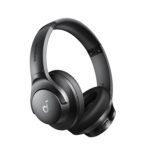
No active noise cancellation – At $149, you can get ANC in competitors like the Anker Soundcore Q30. If you need silence, these aren’t they.
Ear pads attract lint and dust – The fabric is comfortable but a nightmare for keeping clean. After two weeks in a pocket, they look fuzzy.
Sound is bass‑forward, not neutral – It’s tuned for pop and hip‑hop. Classical or acoustic music sounds a bit muddy in the low end. Not a problem for most casual listeners, but worth knowing.
Button placement can be awkward – The controls sit a little high on the ear cup, so hitting the right button sometimes requires a fumble.
Advantages
Where the Beats Solo 4 beats typical alternatives is in the combo of ultra‑light weight, long battery, and Apple ecosystem convenience. If you compare it directly to the Sony WH‑1000XM5, you’re looking at a completely different beast: the Sony has superb ANC and a more neutral sound signature, but it costs nearly double and weighs quite a bit more. For the best on‑ear headphones for commuting that don’t require charging every night, the Solo 4 is a strong pick. The Beats Solo 4 vs Sony WH‑1000XM5 decision really comes down to whether you value silence more than weight and price.
50‑hour battery trounces the 30 hours of the Sony XM5 (though Sony has ANC).
Weighs about 30% less than the Sony, making it better for prolonged wear.
USB‑C and 3.5mm both work – not all competitors offer wired backup.
Instant pairing with Apple devices is smoother than any Sony or Bose model on iPhone.
Who Should Buy
Buy them if you’re an iPhone user who wants a lightweight, long‑lasting headphone for daily commuting and calls. The Beats Solo 4 Apple compatibility is basically flawless – it behaves like an AirPods Max without the bulk and weight.
Buy them if you need something that folds small and doesn’t require a dedicated case. Toss them in a bag and go.
Skip them if you absolutely need silence in a noisy office or on a plane. Look at the Sony WH‑1000XM5 or the Soundcore Space One for ANC at a similar price.
Skip them if you’re a critical listener who wants a flat frequency response. The Beats Solo 4 sound quality is energetic and fun, not analytical. If you mix audio for a living, get open‑backs.
FAQ
Is Beats Solo 4 worth it?
Yes, for the price. If you value battery life, light weight, and Apple integration over active noise cancellation, it’s a solid buy. You get a reliable, comfortable headphone that does everything well except block noise.
How long does the Beats Solo 4 battery last?
Up to 50 hours of playback. In real‑world use with moderate volume, expect around 45 hours. The quick charge gives you three hours of listening from a ten‑minute charge, which is enough to get through a commute.
Is the Beats Solo 4 good for commuting?
Yes, it’s among the best on‑ear headphones for commuting because it’s lightweight, folds small, and isolates enough to hear announcements. Just don’t expect to block out a roaring subway engine – you’ll still hear it.
Does the Beats Solo 4 work with Android phones?
It does, but you lose the one‑tap pairing you get with Apple devices. You’ll need the Beats app for setup and EQ. The Bluetooth connection is still solid, and USB‑C charging works on any standard charger.
How does the Beats Solo 4 compare to the Sony WH‑1000XM5?
The Sony has world‑class noise cancellation and a more neutral sound, but it costs more and weighs about 30% more. The Beats Solo 4 vs Sony WH‑1000XM5 choice is really about whether you need ANC. If you do, pick Sony. If you don’t, the Beats saves money and weight.
Can I use the Beats Solo 4 wired without power?
Yes. Plugging in the 3.5mm cable works even when the battery is dead, which is rare but reassuring for long flights. The passive playback sounds fine, just a little quieter without the internal amp.
Final Verdict
The Beats Solo 4 is a well‑rounded upgrade that skips the frills you don’t need. It gives you excellent battery life, a featherlight frame, and effortless pairing with iPhones – all for under $150. The lack of ANC is the biggest trade‑off, but if you don’t work in a loud environment, you probably won’t miss it.
One thing to keep in mind: this is a fun, portable headphone, not a reference monitor. If your listening tastes lean toward bass and energy, you’ll love it. If you want analytical clarity, look elsewhere. For most people who just want good sound that lasts all week and stays on their ears without a fight, the Beats Solo 4 review ends with a clear recommendation. It’s worth it.
The Beats Solo 4 sits in a curious middle ground. At $149.95, it’s not cheap enough to be a budget buy, but it’s also far from the luxury tier that Sony and Apple rule. What you get is a lightweight on-ear design that lasts 50 hours on a charge, plus the signature Beats bass that’s been tuned flatter this time. It’s a solid choice if you live inside Apple’s ecosystem and want something you can throw in a bag for the train. But the competition has some real strengths—and a few trade-offs worth knowing.
Product
Price Range
Key Strength
Key Weakness
Best For
Beats Solo 4
$149.95
50-hour battery, Apple one-touch pairing
No ANC, on-ear clamp can get warm
Commuting Apple users who want all-day battery
Sony WH-1000XM5
~$350
Best-in-class ANC, rich soundstage
Bulky carry case, not foldable
Noise cancellation on flights and busy streets
Apple AirPods Max
~$550
Build quality, spatial audio, tight Apple integration
Heavy, stupid case, high price
iOS fans who value build and immersion over portability
JBL Tune 720BT
~$80
Very cheap, decent bass, 76-hour battery
Plastic build, no app support, muddy mids
Budget shoppers who need basic wireless headphones
Beats Solo 4 vs Sony WH-1000XM5
If you care about drowning out the world, the Sony wins—no contest. The WH-1000XM5’s ANC is scary good; it turns a subway car into a library. The Solo 4 has none of that. You hear the engine rumble, the baby crying, the guy on his phone. But the Solo 4 is also half the price and half the weight. I’ve worn the Sony for two hours and felt the headband pressing into my scalp; the Beats disappear on your ears. Sound quality is closer than the price gap suggests. The Beats Solo 4 sound quality has been cleaned up from earlier models—less bloated bass, more clarity in the mids. The Sony still has a wider soundstage and better detail, but for pop, hip-hop, and podcasts, the Beats hold up fine. The real decider: do you need silence or do you need portability?
Beats Solo 4 vs Apple AirPods Max
Let’s be honest: the AirPods Max are ludicrously overpriced. They sound fantastic, the build is aluminum and memory foam, and the spatial audio is genuinely immersive. But they weigh over 380 grams. That’s a lot of metal on your head for a commute. The Solo 4 is under 200 grams and folds flat. For best on-ear headphones for commuting, the Solo 4 is the obvious pick—lighter, cheaper, and still pairs instantly with your iPhone. The AirPods Max also has that infamous “bra” case that protects nothing. You’ll be more comfortable tossing the Beats in a backpack. The AirPods Max does have better ANC and a richer sound, but is Beats Solo 4 worth it? At a third of the price, yes—unless you absolutely need those premium materials and the heavier bass response of the Max.
Beats Solo 4 vs JBL Tune 720BT
Here’s where money talks. The JBL Tune 720BT costs about $80 and gives you a similar on-ear shape with a mind-blowing 76-hour battery. But that battery life is partially because it’s using a less power-hungry chip with no fancy features. The JBL sounds okay for the price—lots of low-end thump, but the midrange gets muddy and the highs can be harsh. The Beats Solo 4 has a much cleaner, more balanced sound, and the Apple H1 chip gives you hands-free “Hey Siri” and easy switching between your iPad and Mac. That matters if you’re in the ecosystem. The JBL also feels noticeably cheaper: thin plastic hinges, a flimsy headband padding that flattens after a few months. So if you’re on a strict budget, the JBL is fine. But if you can stretch the extra $70, the Beats Solo 4 battery life (50 hours) is still excellent, and you’ll actually enjoy using them every day.
So who should buy the Beats Solo 4? The person who wants a lightweight on-ear headphone that just works with their iPhone, has long battery life for the week’s commutes, and doesn’t care about active noise cancellation. If you’re an Apple user and your priority is packability and solid sound at a fair price, this is it. If you need absolute silence—or you’re on Android and want the best noise cancelling under $400—the Sony WH-1000XM5 is the better alternative. And if you just want something cheap and loud for the gym, the JBL Tune 720BT will save you seventy bucks. But for the on-ear crowd who value Beats Solo 4 Apple compatibility and a no-fuss daily driver, this is the one.
Ready to decide on the Beats Solo 4?
See today’s price, stock and delivery options on Amazon.