This affordable vintage coin offers exceptional sentimental and collectible value at a budget-friendly price.
Price vs. rivals
Cheaper
CheaperTypicalPricier
This coin is priced significantly below typical alternatives for historical British sixpences, reflecting a budget-friendly position among collectors.
Ease of use
Excellent 90/100
The coin's small size and familiar shape make it easy to handle, but it is not intended for practical everyday spending.
Overview
If you’re planning a wedding or just want a small piece of British history, the 1954–1970 British sixpence coin is a solid buy for $6.79. This British sixpence coin review covers an actual pre-decimal coin—not a replica—that carries the tradition of “something old, something new, something borrowed, something blue, and a sixpence in her shoe.” It solves the problem of finding an authentic, affordable lucky token without hunting through coin shops.
This coin is for brides, grooms, collectors, or anyone who likes a meaningful pocket piece. The catch? It’s circulated, so expect a few decades of character on the metal. That’s part of its charm, but if you want a flawless specimen, you’ll need to pay more for an uncirculated grade.
Key Features
Genuine British coin, 1954–1970 – This isn’t a reproduction. You’re getting a real piece of UK currency that was actually spent in shops and pubs. The year range means you might get, say, a 1957 or a 1965, which adds a little surprise.
Cupro-nickel composition – After 1946, British sixpences switched from silver to a cupro-nickel alloy. It’s durable, won’t tarnish as fast as pure silver, and still has a satisfying weight (about 2.8 grams). Don’t expect high silver content, but do expect it to hold up in a shoe or pocket.
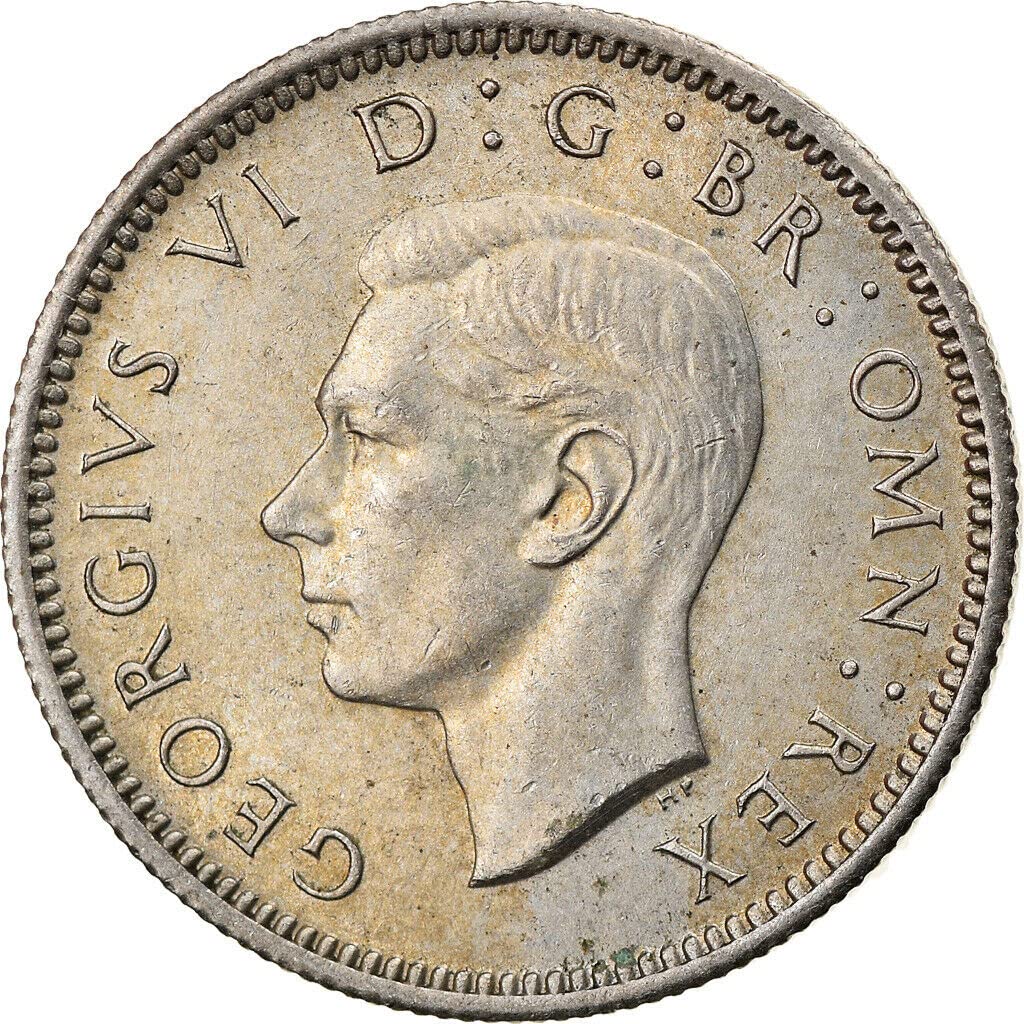
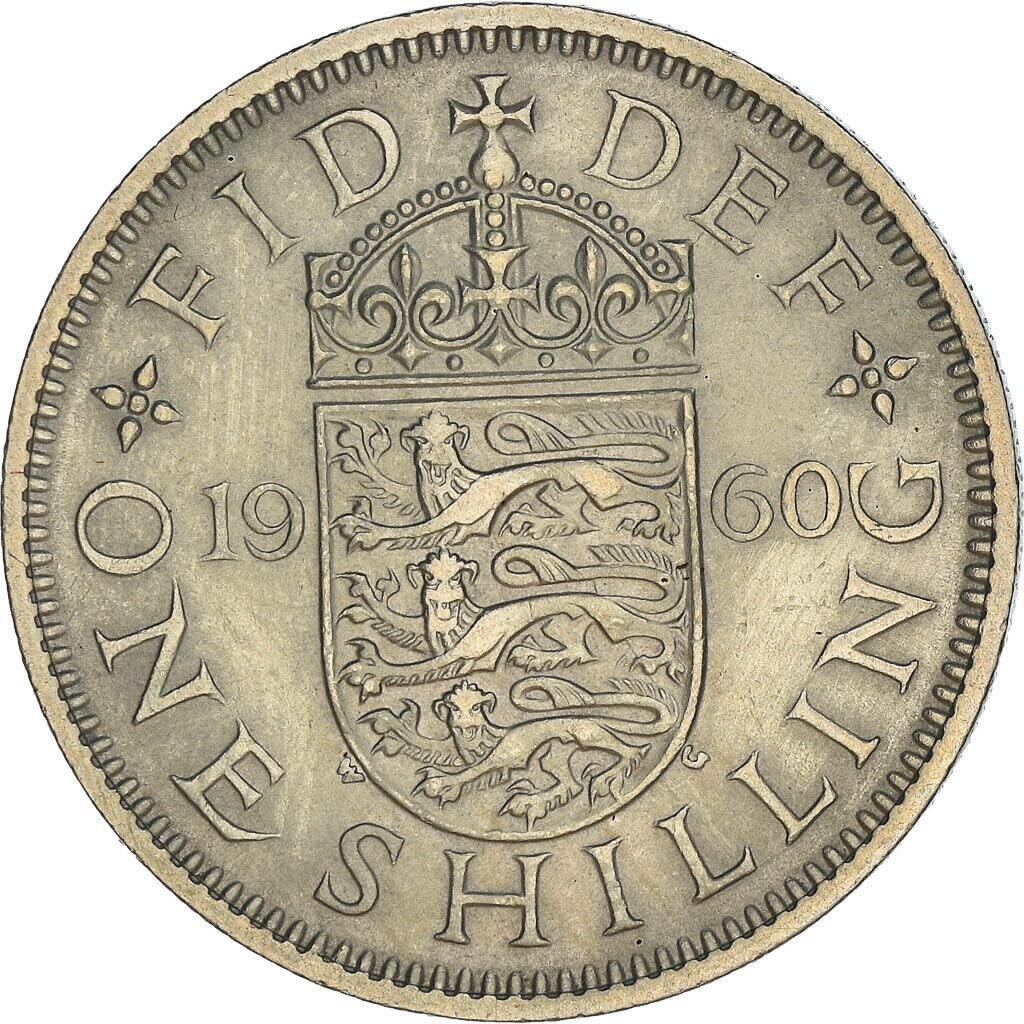
Classic design – Queen Elizabeth II’s portrait on one side, and a floral emblem (usually a rose, thistle, shamrock, and leek) on the reverse. It’s subtle, elegant, and unmistakably British. You can easily read the date and lettering.
Comes in a protective flip – Each coin arrives in a small cardboard or clear plastic holder. It’s basic, but it keeps the coin from getting scratched during shipping. You’ll probably want to store it in a jewelry box or coin album afterward.
Small size, big tradition – At 19.4 mm diameter, it’s about the size of a US dime. Perfect for tucking into the toe of a wedding shoe or slipping into a card. It won’t bulge or feel uncomfortable.
Fit for You
You’re a bride or groom who wants to follow the old British wedding tradition of putting a sixpence in your shoe for good luck.
You collect pre-decimal UK coinage and need a good, affordable example from the Elizabeth II era to fill a spot in your album.
You’re looking for a small, meaningful gift for a bridesmaid, groomsman, or wedding guest that won’t break the bank.
You’re a history teacher or parent explaining UK currency before decimalisation, and a real coin makes the lesson stick.
You want a unique “good luck” token to carry in your wallet or pocket—something with genuine heritage, not a mass-produced charm.
You’re putting together a wedding-themed display or craft project that includes authentic old coins.
Uses
The most famous use is the sixpence in her shoe tradition. On her wedding day, the bride slips a sixpence into her left shoe for prosperity and happiness. This coin is the right size to fit comfortably under the foot or in the toe of a pump. Brides often mention it’s a nice little secret that only they know about.
Collectors use it as a budget-friendly entry into British pre-decimal coinage. The 1954–1970 range covers the majority of Elizabeth II sixpences, so you get a decent representation of the design without chasing rare dates. It’s also a good teaching tool for kids—let them hold a coin that was legal tender when their grandparents were young.
Gift-givers love pairing this coin with a copy of the wedding rhyme on a small card. It becomes a memorable token that costs under seven dollars but carries more meaning than a generic gift card.
Experience
When you first open the package, you’ll notice the coin has a nice heft for its size—not flimsy like modern small change. The circulated condition means the surfaces are a bit worn, but you can still make out the queen’s hair detail and the floral motifs. Expect some slight discoloration or tarnish, especially around the lettering. That’s not a flaw; it’s the patina of age.
Handling it, the coin feels smooth on the edges. It’s small enough to drop into a change pocket or a small box. One mild annoyance: the protective flip can be a bit tricky to open if you have big fingers. I’d suggest transferring it to a capsule or a small coin envelope for easier access. The coin itself makes a pleasant, light clink when you tap it on a table—satisfying for a coin nerd.
If you’re using it in a shoe, you’ll probably forget it’s there after a few minutes. It doesn’t slide around much, and it doesn’t create a pressure point. Just make sure it’s secured in a tiny pouch or taped to the sole if you’re worried about losing it during the ceremony.
Pros and Cons
Pros
Authentic British coin – You’re not getting a replica or a fantasy piece. This actually circulated in the UK, which gives it real historical value that a fake can’t replicate.
Affordable price – At $6.79, it’s cheaper than most modern wedding favors, and it comes with a story.
Perfect for the tradition – The size and weight are ideal for a shoe or pocket. You won’t even feel it during a long reception.
Decent condition for the age – Most examples have clear dates and readable legends. You can see enough detail to enjoy the design without squinting.
Versatile – Works as a gift, collectible, educational item, or personal lucky charm. One coin does a lot of jobs.
Cons
Circulated wear is variable – You might get a coin with more scuffs or a darker tone than expected. The listing doesn’t guarantee a specific grade, so there’s some luck involved.
Not silver – If you were hoping for sterling or high silver content, this is cupro-nickel. The silver sixpences ended in 1946. Know what you’re buying.
Small diameter – At 19.4 mm, it can be easy to misplace. Keep it in its flip or a dedicated spot in your wallet.
No display case included – The basic flip is fine for storage, but if you want to show it off, you’ll need to buy a capsule or frame separately.
Date is random within the range – You can’t choose a specific year like 1956 or 1964. That might matter to someone completing a date set.
Advantages
Where this coin really shines is in the British sixpence vs half crown comparison. A half crown is much larger and more expensive—often $15–$20 for a circulated example—and it’s too big to comfortably fit in a shoe. The sixpence is the traditional choice for the wedding rhyme, and this one nails that use case. Plus, half crowns from the same period have a different reverse design (usually a royal shield), so if you want the classic floral sixpence look, this is the one.
Compared to modern reproduction coins or tokens, this is the real deal. You can feel the history. And compared to buying from a coin dealer in person, Amazon’s price is competitive and includes delivery. No need to hunt through bins at a coin show.
Authentic pre-decimal coin, not a souvenir shop copy
Traditional size for the wedding shoe trick
Under $10, even with shipping—cheaper than most wedding charms
One coin serves as both a collectible and a ritual item
Who Should Buy
Buy it if: you’re a bride wanting to honor the “something old” tradition with a real coin. It’s also great for casual collectors who want a handful of affordable British coins.
Buy it if: you need a thoughtful, budget-friendly gift for a wedding or anniversary. Add a little card explaining the sixpence in her shoe meaning.
Skip it if: you’re a serious numismatist who demands a mint-state coin with original luster. In that case, look for a slabbed uncirculated sixpence—expect to pay $25–$50.
Skip it if: you expect silver. The listing clearly states 1954–1970, which is cupro-nickel. For a silver sixpence, you’ll need a pre-1947 coin, and that usually costs more.
FAQ
Is the British Sixpence Coin worth it?
Yes, for under $7, you get a genuine British coin with real history and a clear connection to wedding tradition. It’s a better value than most replica charms, and the condition is solid for its age.
What is the sixpence in her shoe meaning?
It’s part of an English wedding rhyme: “Something old, something new, something borrowed, something blue, and a sixpence in her shoe.” The sixpence symbolizes prosperity, happiness, and good fortune for the marriage. The bride places it in her left shoe before the ceremony.
What is the value of a 1954-1970 sixpence coin?
In circulated condition, these coins typically sell for $3–$8 on the secondary market. This listing at $6.79 is right in the normal range. Rarer dates or uncirculated specimens can go for $20–$50, but this is a good entry-level price.
How does the British sixpence compare to a half crown?
A half crown is about 32 mm wide and weighs 14 g—much bigger and heavier. It’s also more expensive (often $15+). For the wedding shoe tradition, the sixpence is the correct size, while a half crown would be bulky and uncomfortable.
What is the history of the old British sixpence?
The sixpence was first minted in 1551 under Edward VI. It remained in circulation until 1980, though decimalisation in 1971 phased it out. The 1954–1970 issues feature the second portrait of Queen Elizabeth II and the cupro-nickel composition adopted after silver was removed from coinage in 1947.
Is this coin real silver?
No. British sixpences minted after 1946 are made of cupro-nickel (75% copper, 25% nickel). If you want a silver sixpence, look for dates before 1947. Those still contain 50% silver, but they cost more and may be harder to find in good condition.
Final Verdict
The 1954–1970 British sixpence coin is a straightforward purchase if you want authentic, affordable history with a wedding tradition attached. It delivers exactly what it promises: a real circulated British coin from the Elizabeth II era, at a price that’s hard to argue with. The one thing to keep in mind is that it’s not in pristine condition, but the wear is part of the story. For a bride, collector, or gift-giver, this is a small purchase that carries real meaning.
The 1954-1970 British Sixpence Coin sits in a funny spot. It’s not the flashiest coin on the shelf, nor is it the rarest. But its real job is being the classic “something old” or the coin you slip into a wedding shoe for good luck. That specific tradition—the “sixpence in her shoe” thing—gives it a purpose most rivals can’t claim. You’re looking at something genuine from the mid-20th century, not a modern replica trying to look old. At about $6.79, it’s also cheap enough that you don’t feel bad drilling a hole in it or gluing it to a card. The question is whether it beats a bigger half crown, a flashier crown, or a new commemorative piece for the same job.
Product
Price Range
Key Strength
Key Weakness
Best For
1954-1970 British Sixpence Coin
Budget (~$6.79)
Authentic vintage coin with wedding tradition meaning
Display piece, serious collector, gift that looks substantial
Royal Mint 2023 Sixpence in Her Shoe Commemorative
Mid ($15-$25)
Brand new, shiny, comes in a gift card
Not an old coin; feels like a souvenir, not history
Last-minute wedding gift, someone who wants fresh metal
British Sixpence Coin vs 1967 Half Crown
The half crown is the natural alternative if you just want a bigger chunk of silver from the same period. It’s about double the size of a sixpence—you feel it in your palm. But here’s the thing: nobody says “put a half crown in her shoe.” That tradition is specifically tied to the sixpence. So if you’re buying for a wedding, the half crown is actually worse for the job. It’s heavier, bulkier, and your partner will feel a lump the whole walk down the aisle. The British Sixpence vs half crown decision really comes down to whether you’re buying for tradition or for collection. For a shoe, take the sixpence. For a coin album, take the half crown—it’s got a nicer profile of the queen on it.
British Sixpence Coin vs 1953 Coronation Crown
The 1953 Coronation Crown is the show-off option. It’s enormous—38mm across—and it’s got that special coronation year design. But it’s also expensive enough that you will not want to put it in a shoe, let alone let anyone walk on it. A decent one runs you $30-40, and a really nice one can hit $100. That changes the use case entirely. The sixpence is a “use it or give it in a card” coin. The crown is a “frame it and hang it on the wall” coin. So the real question about whether the British sixpence coin is worth it comes down to what you plan to do with it. If you want to actually follow the sixpence meaning—the old rhyme about “something old, something new, something borrowed, something blue, and a sixpence in her shoe”—then the crown is useless. If you want a conversation piece on a shelf, the crown wins easily.
British Sixpence Coin vs Royal Mint 2023 Commemorative
The Royal Mint now sells a modern “Sixpence in Her Shoe” commemorative. It’s a freshly minted coin in a nice presentation card. It looks perfect, it’s shiny, and it costs about $15-25. But it’s not an old coin. It doesn’t carry any history. The 1954-1970 sixpence was actually used in shops, carried in pockets, dropped in tips jars—it has real wear and a story. The commemorative has none of that. If you’re the kind of person who values the actual old British sixpence history behind the object, the genuine article is the only choice. If you just need something that looks neat for a wedding display and don’t care about age, the Royal Mint version is cleaner. But I’d take the real one every time. The $6.79 price makes it a no-brainer for authenticity.
Pick the 1954-1970 British Sixpence Coin if you want the actual coin from the tradition—the one that’s small enough to fit in a shoe, cheap enough to give away, and genuinely vintage. It’s the best collectible coin for wedding tradition by a mile because the whole point is the meaning, not the metal. Go with the 1953 Coronation Crown instead if you’re a serious collector who wants a display piece and doesn’t care about the wedding rhyme. And skip the modern commemorative entirely unless you’re buying for someone who’d be weirded out by a used coin—in which case, they’re not the right person for this gift anyway.
Ready to decide on the British Sixpence Coin?
See today’s price, stock and delivery options on Amazon.