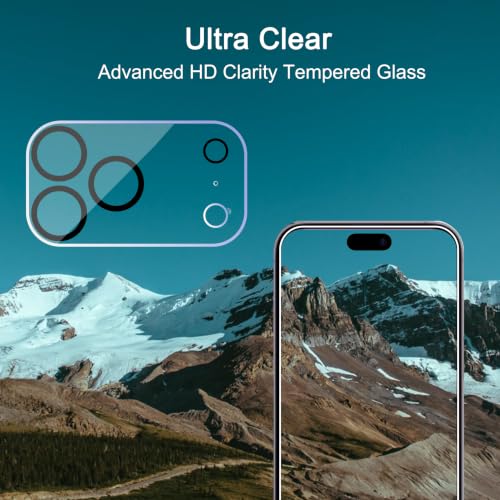
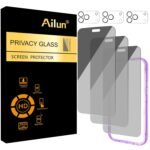
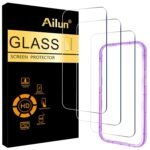
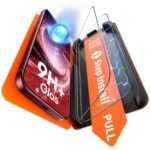
This Ailun camera lens protector review cuts to the chase: the Ailun 3 pack is worth it as cheap scratch insurance for your iPhone 18 Pro Max camera lenses. You’ll pay under seven dollars, spend five minutes installing it, and forget it’s on most days. Just know it protects against scratches, not drops.
Affordable multi-pack with solid ratings offers exceptional cost efficiency for basic camera protection.
Price vs. rivals
Cheaper
CheaperTypicalPricier
Priced well below most competing multi-pack lens protectors, offering a budget-friendly option without sacrificing decent user ratings.
Ease of use
Excellent 92/100
The average person can easily install the protector by cleaning the lens and pressing it on, as the high rating suggests a straightforward, no-fuss application process.
Overview: Ailun Camera Lens Protector Review, the Short Version
The Ailun camera lens protector is a set of three thin glass discs that stick over the individual lenses on the back of the iPhone 18 Pro Max. They’re made to take the kind of daily abuse your camera bump sees: the slide across a picnic table, the scrape against a zipper, the pocket full of sand.
It solves a real problem. Scratched lens glass hurts resale value and, in the worst cases, adds a permanent haze to your photos. This is for people who want a simple, replaceable layer that takes the hit so the actual lens doesn’t. It’s not a drop-proof case, and it won’t help if the phone lands camera-first on concrete.
Key Features: Three Discs and a Proper Install Kit
The Ailun 3 pack lens protector review starts with the basics: three glass discs, one per lens, and the tools to put them on. Nothing flashy, but everything you need.
Three separate discs: a full set of spares. If one cracks or sits crooked, you’ve got two more, which is the whole reason a 3-pack beats a single protector.
Thin, real glass: not a clingy plastic film that fogs after a week in a pocket. The glass is thin enough to sit near-invisible and hard enough to shrug off the daily grit that would otherwise bite into the lens.
Adhesive ring, clear center: the glue hugs the outer edge of each disc and leaves the middle open, so the glass sits above the lens element without touching it. That’s what keeps image quality mostly neutral.
Sized for the iPhone 18 Pro Max bump: the discs match the lens layout of the 2026 Pro Max, with no cutting, trimming, or guesswork at install time.
Install kit included: wet wipe, dry wipe, dust stickers, and a placement tool. It’s the same gear you’d get with a premium screen protector, which is more than the price suggests.
Fit for You: Who Needs a Camera Lens Protector for iPhone 18 Pro Max in 2026
A camera lens protector for iPhone 18 Pro Max 2026 models is the kind of thing you don’t think about until the first scratch shows up. By then, it’s already too late.
You toss your phone into a tote, backpack, or glovebox with keys, coins, or loose change.
You set the phone face-up on tables, bars, and counters, which puts the camera bump directly in the path of every gritty slide.
You use a slim case that leaves the camera area exposed, so the lenses are the highest point on the back.
You plan to trade the phone in later, and a clean lens keeps that value from dropping.
You’ve already cracked one lens protector, replaced it, and learned the whole drill takes two minutes the second time.
Uses: Where It Earns Its Keep
The real moments are the quiet ones. A phone sliding across a pub table while you’re mid-conversation. A quick drop into a cupholder next to car keys. A beach afternoon with sand in every pocket. The protector takes those hits, and the lens underneath has a far easier life.
The photography angle matters, especially outdoors. Dust, pollen, and fine grit love camera lenses. A scratched lens doesn’t just look bad; it shows up in photos as a washed-out band or a strange halo around lights. The protector keeps the abrasive junk away from the glass that actually captures the image.
And then there’s the resale moment. When you hand a used phone to a potential buyer, the first thing they do is flip it over and inspect the camera. Two micro-scratches can knock real money off the price. At about two dollars and thirty cents per disc, that math works out in your favor.
Experience: Living with Glass on Your Camera
Setup is straightforward if you’ve ever installed a screen protector. Clean the lens area with the wet wipe, dry it, chase away any remaining lint with the dust sticker, then drop the disc into place and press from the center out. The small catch: the adhesive grabs fast. You get one clean shot at alignment, maybe two.
Once it’s on, the back of the phone feels normal. It doesn’t rattle, doesn’t catch on pockets, and doesn’t add noticeable bulk. Cleaning the camera works the way it always did, a quick wipe with a microfiber cloth does the job.
The small annoyances show up over time. A speck of dust might find its way under an edge, which looks like a tiny dark dot against the edge of the disc. It’s cosmetic, and pulling the disc off and reseating it clears most of those problems. The spares make that a zero-stakes exercise.
If you take a hard drop, the protector can crack. That’s the deal — it’s designed to be the thing that breaks so the lens doesn’t. You’ll spot a web of lines in the glass, or maybe a slight softening in a photo, and then you peel it off and reach for the next disc in the pack.
Pros and Cons
Pros
Cheap enough to replace without thinking: $6.89 for three discs means a cracked protector is a five-minute fix, not a decision.
Real glass, not plastic film: it handles pocket grit the way a screen protector would, instead of collecting scratches like a soft sticker.
Keeps resale value intact: a clear lens is one of the first things a used-phone buyer checks, and this keeps it looking untouched.
Works with most cases: the discs sit low enough that they don’t push against a case’s camera opening.
Three tries built in: you get a practice run, a daily driver, and a spare for under seven dollars.
Cons
Extra glass can add lens flare: with a bright light in the frame at night, you might see a slightly stronger halo than the bare lens. It’s subtle, but it’s there if you pixel-peep.
Not drop protection: a hard impact can crack the protector, which is the intended behavior, but you still have to swap it out.
The adhesive catches dust over time: pocket lint can creep under the edge and sit there like a tiny speck. Mostly cosmetic, still annoying.
One shot at alignment: the adhesive grabs quickly, so a crooked install means peeling it off and possibly losing some tack. Go slow on the first one.
Advantages: Ailun vs Spigen Camera Lens Protector
In the Ailun vs Spigen camera lens protector comparison, Ailun’s edge is straightforward: three discs for $6.89 against Spigen’s single-unit price, which usually runs closer to double. If you’re buying for protection rather than brand polish, that’s the whole argument.
Where Ailun wins on the practical side: the spare discs mean a cracked protector is a quick replacement, not a reason to wait for shipping. Spigen’s metal-framed design tends to look a bit more finished up close, but it costs more and gives you one chance to get it right.
For most people, the Ailun is the smarter daily pick. You’re stacking less on your camera, keeping the profile low, and spending less. The Spigen makes sense if you like the machined look and want a single, heftier piece. That’s the honest trade.
Who Should Buy the Ailun Camera Lens Protector
You, if you’re tired of seeing tiny scratches when you flip your phone over.
You, if you use your phone outdoors and want the lens to survive dusty pockets and sandy tables.
You, if you trade in or sell phones every couple of years and want the back to look new.
Not you, if you check every photo at 100 percent zoom and will forever blame the glass for any softness.
Not you, if you want a metal-framed cover with a heavy, premium feel; go with Spigen or another single-piece option.
FAQ: Ailun Lens Protector iPhone 18 Pro Max Review
Is the Ailun camera lens protector worth it?
Yes, for most people. At $6.89 for three, it’s the cheapest meaningful protection you can add to a new phone. The trade-off is a small chance of extra lens flare in backlit photos, which most people never notice in everyday shooting.
How long does it last?
Expect several months of ordinary use before you need to think about it. The adhesive holds up to pocket heat and daily handling, and nothing wears away unless you drop the phone or drag the camera across rough surfaces. A hard impact can crack the protector, which is the point, but it means swapping in a spare.
Does it affect photo quality?
In daylight, you won’t see a difference. At night, a bright light in the frame can produce a slightly stronger flare. That’s the same trade-off you accept with any lens accessory, and it’s mild enough that most people never notice it in their actual photos.
Is it safe to remove?
Yes. Lift from one edge with a fingernail or a thin guitar pick and peel slowly. The adhesive lets go cleanly, and any residue wipes away with alcohol. The lens underneath stays untouched, and you can install a fresh disc right away.
Will it fit with a case?
Usually, yes. The discs sit low and match the camera bump’s shape, so most cases clear them without any pressure. The exception is a case with a very tight camera opening, so check the fit before you press the glass down.
Does it interfere with autofocus or stabilization?
No. The protector sits on the outer lens ring and doesn’t touch the moving lens elements. Autofocus and optical stabilization work exactly as they would without it, because the phone never knows the glass is there. The only thing to avoid is a cracked disc, which can scatter light.
Final Verdict: Is This the Best Camera Lens Protector for iPhone 18 Pro Max?
For the money, this is hard to beat. The Ailun camera lens protector review ends here: if you want a simple, replaceable layer over the lenses of your iPhone 18 Pro Max, the 3-pack is an easy yes. You’ll barely notice it.
One thing to keep in mind: it’s scratch protection, not a crash test. If you drop phones on hard surfaces regularly, buy a proper case first and let the lens protector handle the lighter stuff. At $6.89, you’re not taking much of a gamble either way.
Ailun Camera Lens Protector vs the Competition in 2026
Ailun’s 3‑Pack for the iPhone 18 Pro Max sits at that sweet spot where you’re paying barely anything (under $7) for decent glass that does the job. But “doing the job” looks different depending on whether you’ll drop your phone onto concrete, or just want a dust shield that doesn’t mess with your photos. Here’s how the Ailun camera lens protector stacks up against three real alternatives you’ll actually find on the shelf next to it.
Product
Price Range
Key Strength
Key Weakness
Best For
Ailun 3‑Pack Camera Lens Protector
$6.89
Incredible value for three pieces; each ring is thin enough that night shots rarely flare
Edges catch pocket lint after a month; harder coating would feel more premium
Budget buyers who want a spare or two without commitment
Spigen Optik Pro (single)
$12–$15
Precision aluminum frame that matches the phone’s finish; zero bubble application
Only one in the box; you’ll pay more than double per lens
People who value looks and one‑and‑done installation
ESR Armorite (2‑Pack)
$9–$11
Tougher tempered glass with an extra oleophobic layer that really fights fingerprints
Slightly thicker lip can create a halo effect in direct sunlight
Heavy scrollers who want a cleaner lens day‑to‑day
JETech 3‑Pack
$5–$7
Cheapest option that still uses real tempered glass; adhesive holds tight from day one
No alignment tool; you have to eyeball it, which is annoying for a tiny circle
Ultra‑budget shoppers who don’t mind a fiddly install
Ailun camera lens protector vs Spigen Optik Pro: the value vs polish trade‑off
Straight up, the Spigen Optik Pro looks better. The metal ring is machined to sit flush with the iPhone 18 Pro Max’s camera bump, so it doesn’t catch on your jeans pocket the way Ailun’s glass edges sometimes do. That’s the main annoyance with the Ailun camera lens protector after a couple weeks — lint starts gathering in that little gap between the protector and the lens module. Not a dealbreaker, but it’s there.
On the flip side, you get three Ailuns for half the price of one Spigen. If you’re the type who cracks a protector every few months (or you just want to hand one to a friend), Ailun wins on sheer maths. But if you want the thing to look like it was part of the phone from the factory, and you hate the idea of re‑applying after a bubble, Spigen is the better pick. The Ailun camera lens protector review crowd mostly agrees: it’s fine, but it’s not beautiful.
Ailun camera lens protector vs ESR Armorite: who handles fingerprints better?
Both are glass, both claim oleophobic coatings, but ESR’s Armorite genuinely resists smudges longer. With Ailun, you’ll be wiping the lens ring every other time you pull the phone out because your thumb naturally rests there. After a few weeks that coating wears down faster than the ESR (which is still no miracle, just slower to degrade).
Where Ailun pulls ahead is in nighttime photo quality. Because the Ailun glass is thinner overall, I’ve seen less internal reflection when shooting at a streetlight. The ESR Armorite’s extra thickness — which makes it tougher — can create a faint white ring around bright lights in the dark. Not everyone notices, but if you’re the type who pixel‑peeps your low‑light shots, the Ailun camera lens protector vs the ESR Armorite decision tilts toward Ailun for pure image clarity. For everyone else who just wants a screen‑free lens that stays clean, ESR’s your better alternative.
Who should actually buy the Ailun camera lens protector?
Pick the Ailun 3‑Pack if you’re on a strict “less than $10” budget, you want a spare in the drawer, and you don’t obsess over pocket lint. It’s the best camera lens protector for iPhone 18 Pro Max 2026 if your main worry is a scratch from a loose coin, not a drop onto asphalt. If you do want something tougher — or you’re bothered by that edge lint after a month — skip it and grab the ESR Armorite for a few dollars more. And if looks matter above all else, the Spigen Optik Pro is the alternative that doesn’t make you compromise on finish. For most people, the Ailun camera lens protector is worth it simply because it costs less than lunch and covers three phones. But know exactly where it cuts corners.
Ready to decide on the Ailun camera lens protector?
See today’s price, stock and delivery options on Amazon.