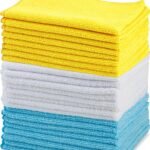
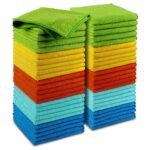
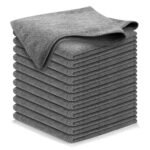
Is the Homexcel microfiber cloths review worth your time? Short answer: yes, if you want a dirt-cheap, versatile stack of rags that handle most household jobs without scratching surfaces. They’re not the most premium towels for pro detailing, but at $6.99 for 12, they beat expectations. Owners tend to mention they work great for windows, kitchen counters, and casual car wiping.
This multipack delivers strong everyday cleaning performance at a very accessible price point, making it an excellent choice for budget-conscious shoppers.
Price vs. rivals
Cheaper
CheaperTypicalPricier
Priced below most comparable 12-packs, which typically sit in the mid-range tier, making this a budget-friendly option among popular alternatives.
Ease of use
Excellent 95/100
Using these microfiber cloths is straightforward—just dampen and wipe—requiring no special skills or setup, making them extremely easy for any average person.
Overview
This is a 12-pack of grey microfiber cloths, each 12.5 x 12.5 inches. The blend is the standard 80% polyester / 20% polyamide split-fiber construction that grabs dust and liquid rather than pushing it around. The problem it solves is simple: you stop using paper towels for everything, stop leaving lint on your mirrors, and stop paying a dollar per rag for something disposable.
Who is it really for? The person who cleans their own car, wipes down the kitchen counters twice a day, and gets annoyed when a “glass cloth” leaves fuzzy trails. It’s not for a pro detailer with a foam cannon and a five-step wax process. But for the rest of us who just want a decent pile of clean rags, it fits.
Key Features
Split-fiber microfiber blend – The 80/20 mix creates tiny wedge-shaped fibers that trap dust and grease instead of smearing them around. That’s why it works on both wet spills and dry dusting without leaving a film.
12.5 x 12.5 inch size – Big enough to fold into a palm-sized pad for glass, small enough to not feel wasteful when you grab a fresh one. You’ll use two for a car interior, one for a kitchen counter.
Laser-cut edges – The edges are fused rather than hemmed with thread. That means they won’t unspool after a few washes like cheap restaurant towels do. They hold up longer than you’d expect for the price.
Grey color hides grime – A minor thing, but dark grey hides the inevitable stains from grease and car wax. White cloths look nasty after two uses. These look fine for weeks.
Machine washable and reusable – You can toss them in with your regular laundry—no fabric softener, skip the dryer sheet. They’ll last through dozens of cycles before the fibers start to flatten.
Fit for You
You detail your own car every couple weeks and hate seeing lint stuck to your dashboard.
You make a smoothie every morning and want one cloth to wipe the blender base without leaving streaks.
You have stainless steel appliances that show every single fingerprint unless you buff them immediately.
You prefer a cleaning method that doesn’t involve a wad of paper towels and a separate spray bottle for every surface.
You’re setting up a detailing kit on a budget and need a dozen cloths for less than the cost of two specialty towels.
Uses
Car interior wiping. Dashboards, door panels, steering wheel. The 12×12 size folds nicely to fit into cup holders and vent slats. You’ll want a separate batch for interior vs. exterior because once a cloth touches tire shine, it’s contaminated for glass.
Homexcel microfiber cloth for windows. Spray the glass lightly, wipe with a slightly damp cloth, then flip to a dry side for a final buff. It leaves the glass clear, no lint hairs stuck to the pane. Works on mirrors, shower doors, and picture frame glass too.
Microfiber cleaning cloths for kitchen. Greasy stovetops, counter crumbs, stainless steel sink polishing. It absorbs water quickly so you don’t have to wring it out mid-swipe. The big downside is that grease builds up in the fibers over time, so you need to wash them hot with a degreasing detergent now and then.
Best microfiber cloths for car detailing? For a weekend wash and wax, they’re ideal—paint-safe if you keep them clean, absorbent for drying after a rinse, and cheap enough that you don’t cry when one falls on the driveway. For heavy-duty paint correction or removing compound, get a thicker pile towel. These are better for final wipe-downs.
Experience
The first thing you’ll notice is that they’re not super plush. They’re about as thick as a standard bar towel, not that dense, fluffy microfiber you see in pro detailer videos. That’s fine for glass and general cleaning, but for drying your whole car after a wash, you’ll need four or five of them. Plan accordingly.
Out of the pack, they feel slightly stiff. Run them through one wash with a little liquid detergent and no fabric softener, and they soften up. Second wash? Even better. After that, they’re consistent.
The edge stitching is the most common annoyance people mention. The laser-cut edges don’t fray, but they can shed a tiny bit of black lint the first time you use them. Wash once to get that out, and then they’re lint-free. Seriously—after that first wash, owners consistently report no lint on glass, no fuzz on their car’s paint.
Storage is easy. They’re flat, stack neatly in a drawer, and don’t take up much space. One small annoyance: because they’re all the same grey, you can’t easily separate “car paint” from “wheel cleaner” from “kitchen grease” unless you mark them or keep them in separate bins. Some people buy a second pack in a different color for that reason.
Pros and Cons
Pros
Absorbent enough for glass – They pick up moisture without leaving a trail, and a quick final buff leaves windows and mirrors streak-free.
Lint-free after one wash – The initial shedding is real but temporary. After that, you won’t see fuzz on a black car dashboard or a phone screen.
Ridiculously cheap per cloth – Under 60 cents each for a 12-pack. That’s less than a paper towel roll, and you can reuse these for months.
Gentle on surfaces – The 300 GSM weight won’t scratch clear coat, polished chrome, or delicate electronics. Safe for a laptop screen if you don’t apply heavy pressure.
Washer and dryer friendly – They survive hot water cycles and low heat drying without shrinking or losing their edge seal. No special care needed beyond skipping fabric softener.
Cons
Too thin for heavy-duty drying – If you want to dry a wet SUV after a rinse, you’ll go through half the pack. These are best for final wiping, not absorbing a flood.
All one color – Grey looks clean longer than white, but you can’t visually tell a kitchen rag from a car rag. You have to separate them yourself or label them.
Initial lint shedding – The first use on a critical surface (like a freshly waxed hood) is risky. Wash them once before you trust them on paint or glass.
Not for heavy wax removal – Thicker, higher-GSM cloths are better for buffing off dried wax or compound. These will work but require more effort and more cloths per panel.
Size is modest – 12.5 inches square is fine for most tasks, but some people prefer a 16×16 for drying or larger panels. You might want two packs just to have enough surface area.
Advantages
Where does this beat the alternatives? Let’s talk Homexcel vs AmazonBasics microfiber cloths. AmazonBasics cloths are a similar price, but they tend to shed more out of the pack and the edges often fray after a few washes. Homexcel’s laser-cut edges are more durable in the long run. Owners also mention that the Homexcel cloths feel slightly more absorbent per square inch, likely because of the fiber blend.
Another advantage is the price per unit. At $6.99 for 12, you can buy two packs and still spend less than one “premium” brand that sells three cloths for the same money. For a home user or weekend detailer, that trade-off of thickness for quantity is usually worth it.
The grey color is a small advantage over bright colors that show every stain. It also blends into a tool bag or garage shelf without screaming “I’m a cleaning rag.”
Who Should Buy
You should buy these if you need a solid daily driver cloth for the kitchen, car interior, and glass surfaces. Anyone on a budget who wants a reusable alternative to paper towels will get their money’s worth fast.
Consider a different cloth if you are a pro detailer who needs high-pile towels for wax removal or paint correction. Get a thicker, higher-GSM option like a 500GSM twisted-loop towel for that job.
Skip these if you need one massive cloth to dry an entire car after a wash. The 12×12 size means you’ll use many of them. A waffle-weave drying towel is better for that single purpose.
Buy two packs if you want to color-code: use one pack for car paint and one for kitchen or glass. That solves the “all same color” problem cheaply.
FAQ
Is the Homexcel Microfiber Cloths worth it?
Yes, for the price. You get 12 reusable cloths for less than seven dollars, and they outperform paper towels on glass and car paint. The only catch is you need to wash them once first to remove initial lint.
Is Homexcel microfiber cloth lint free?
After the first wash, yes. The laser-cut edges stop fraying, and the split fibers hold dust rather than releasing it. Many owners mention using them on black car interiors and flat-screen TVs without seeing any fuzz.
Can you use Homexcel microfiber cloth for windows?
Yes, and it’s one of its best uses. Dampen it slightly, wipe the glass, then flip to a dry spot for buffing. It leaves windows streak-free and lint-free, which is the whole point of a dedicated glass cloth.
How long does it last?
With regular washing and no fabric softener, expect 50 to 80 cycles before the fibers start to lose absorbency. The edges hold up better than hemmed cloths. After that, relegate them to dirty jobs like garage floor spills.
Is it safe for car paint?
Safe for light wiping and drying if the cloth is clean and you use gentle pressure. The 300GSM weight is not abrasive on clear coat. Do not use a dirty rag on paint—that is true for any microfiber, not just this one.
Can I use fabric softener with these?
No. Fabric softener coats the microfiber fibers and destroys their ability to absorb liquid and trap dust. Wash with a mild liquid detergent, and skip the softener entirely. Air dry or use low heat in the dryer.
Final Verdict
The Homexcel microfiber cloths review comes down to this: you’re paying less than sixty cents per reusable rag for something that works on glass, paint, and kitchen counters without leaving lint. That’s a good deal. The trade-off is that they’re on the thin side, so you’ll grab two or three for a wet job where a single thick towel would do. But for the price and versatility, they’re the kind of cloth you’ll keep a stack of in the kitchen, another in the garage, and still have a few left over for dusting.
The one thing to keep in mind: wash them once before you trust them on your car’s paint or your TV screen. That initial wash solves the only real problem these have. After that, they’re exactly what a good all-purpose microfiber cloth should be—cheap, effective, and easy to replace.
Homexcel Microfiber Cloths vs the Competition in 2026
At $6.99 for a 12-pack, Homexcel sits right in the budget sweet spot — cheap enough to toss in the bin when they’re nasty, but built well enough that you won’t need to. They’re the default pick for anyone who wants one cloth that does windows, countertops, and dashboards without leaving lint or demanding a second pass. But the microfiber world has options at every price point, and some of them are genuinely better for specific jobs. Here’s where Homexcel lands against the real alternatives.
Product
Price Range
Key Strength
Key Weakness
Best For
Homexcel Microfiber Cloths (12-pack)
$6.99
Lint-free, streak-free across glass, paint, and stainless steel
Budget shoppers, high-volume rag use (garage, workshop)
Chemical Guys Professional Grade Microfiber Towels (16-pack)
$20–$30
Thick 70/30 blend; zero scratching on clear coat
Expensive per cloth; overkill for kitchens and dusting
Car detailing where paint protection matters
The Rag Company Eagle Edgeless 350 (10-pack)
$25–$35
300+ GSM weight; laser-cut edges won’t fray
Pricey, and the weight makes them bulky for small jobs
Professional detailers, glass polishing, final wipe-downs
Homexcel Microfiber Cloths vs AmazonBasics Microfiber Cloths
AmazonBasics goes for volume — you can grab a 24-pack for roughly what Homexcel charges for 12. The catch is the fabric itself. AmazonBasics cloths are noticeably thinner, and out of the bag they tend to shed little blue fuzz on your first kitchen counter wipe. It washes out, eventually, but that first use is a gamble if you’re cleaning a mirror or a phone screen. Homexcel’s weave is denser and the edges are better stitched, so you get a cloth that actually stays lint-free from the start. That matters more when you’re doing windows or a glass stove top. If you just need cheap rags for spilt oil or dusty shelves, grab the AmazonBasics. If you want one cloth that does the whole house without leaving evidence behind, Homexcel is the better choice.
Homexcel Microfiber Cloths vs Chemical Guys Professional Grade Microfiber Towels
Chemical Guys targets the car crowd, and for that job they’re excellent. Their 70/30 blend and thicker pile mean you can press hard during wax removal without your fingers feeling the paint through the fabric. Homexcel cloths are 80/20 (polyester/polyamide), which is standard for all-purpose use, but they’re thinner — about 180–200 GSM compared to Chemical Guys’ 280–300. What that means in practice: if you’re buffing a fresh coat of wax off a black car, the Homexcel cloth works fine for the first pass, but you’ll need two or three cloths to finish the same job one Chemical Guys towel handles. For household jobs — dusting blinds, wiping down kitchen counters — you won’t notice the difference. So the question is really about your priorities. If your microfiber cloth’s main job is car detailing, especially on dark paint, spend the extra and get Chemical Guys. If you’re looking for the best microfiber cloths for car detailing that also pull duty in the kitchen, Homexcel is more versatile and costs half as much.
Homexcel Microfiber Cloths vs The Rag Company Eagle Edgeless 350
The Rag Company’s Eagle Edgeless is what you buy when you want a microfiber cloth that feels almost like a real towel — thick, plush, and completely finished at every edge so nothing frays after a year of washing. They’re also $3+ per cloth, which stings compared to Homexcel’s roughly 58 cents each. So why would anyone pay it? Because for streak-free windows and high-gloss surfaces, the extra weight and longer fibers actually trap dust rather than push it around. Homexcel’s cloths are perfectly capable on glass — they don’t lint and they don’t smear — but the Eagle Edgeless leaves a cleaner finish in one wipe, especially on large windows where you want to avoid re-doing panels. The trade-off is that the Rag Company cloths are too thick to be convenient for small jobs: stuffing one into a drawer, wiping a faucet, then rinsing it feels like overkill. Homexcel is the better everyday companion; the Rag Company is the specialist for when the finish really matters. Pick your poison.
So here’s the short version. Choose the Homexcel microfiber cloths if you want a single pack that works across kitchens, windows, and car interiors without drama, and you don’t want to think about which cloth to grab. The people who should look at the alternatives instead are the car detailers with a dark paint job who need the extra plushness of Chemical Guys, or the people cleaning a house of large windows who will appreciate the Rag Company’s heft. Everything else? Homexcel gets it done for seven bucks.
Ready to decide on the Homexcel Microfiber Cloths?
See today’s price, stock and delivery options on Amazon.