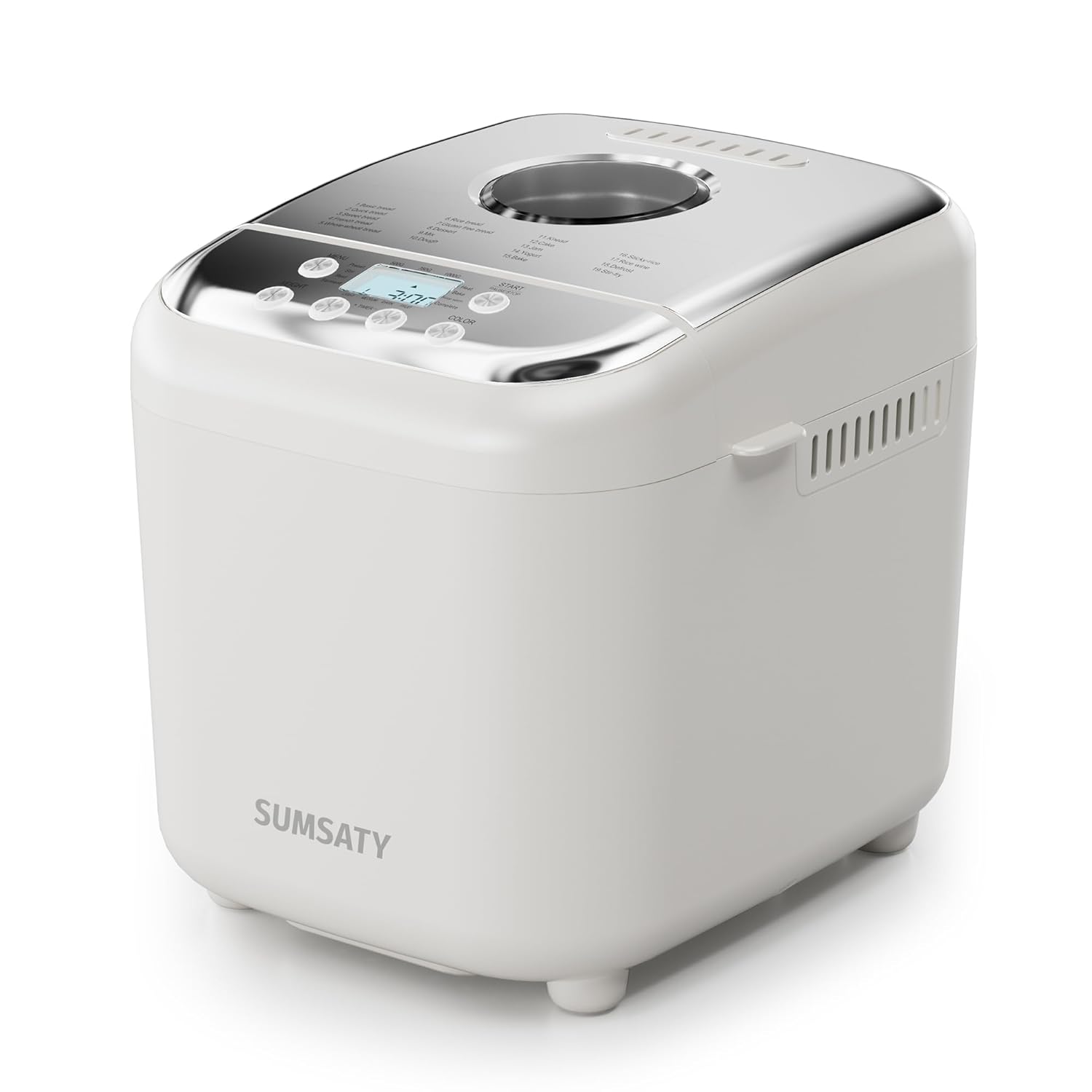
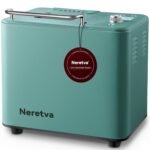
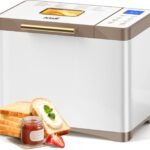
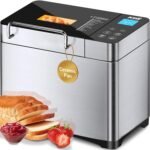
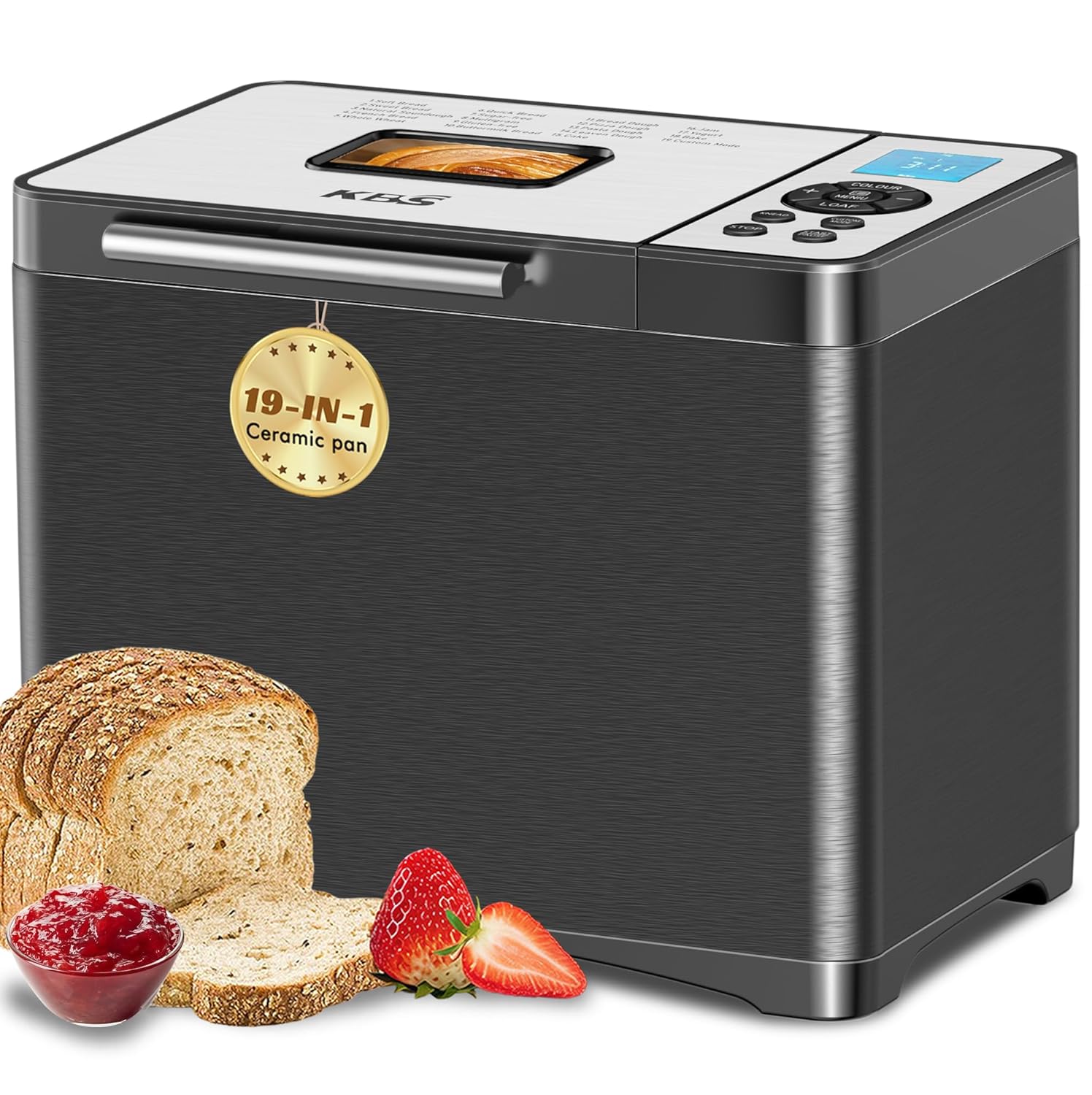
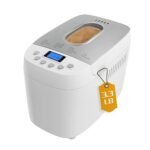
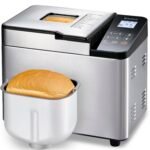
Combining a ceramic nonstick pan, broad program selection including gluten-free and yogurt, reliable timing features, and strong user ratings, it delivers solid value compared with basic and premium alternatives.
Price Position vs Similar
$89.99
CheaperTypicalPricier
Listed at $89.99, this model offers many mid-to-high-end features (ceramic pan, 16 programs, gluten-free/yogurt) but is priced a bit below typical mid-range/premium breadmakers — a value-oriented option versus pricier peers.
Usability
Unknown
PoorFairGoodGreatExcellent
Mostly easy to use — automatic presets (16-in-1), beginner-oriented design, 15-hour timer and nonstick ceramic pan make baking and cleanup straightforward, though newcomers may need a short learning curve for measurements and settings.
Overview
Meet the Bread Maker, 2.2LB 16-in-1 — a countertop machine aimed at home bakers who want bakery-style loaves with minimal fuss. It promises a roomy 2.2 lb loaf capacity, a generous 16 preset programs (including Gluten-Free, French and even Yogurt modes), a nonstick ceramic loaf pan, a 15-hour delayed start timer and a 1-hour keep-warm function. At around $89.99 with a healthy average rating (~4.4/5), this model targets beginners and families who want a flexible, reliable breadmaker without a premium price tag.
Key Features & Highlights
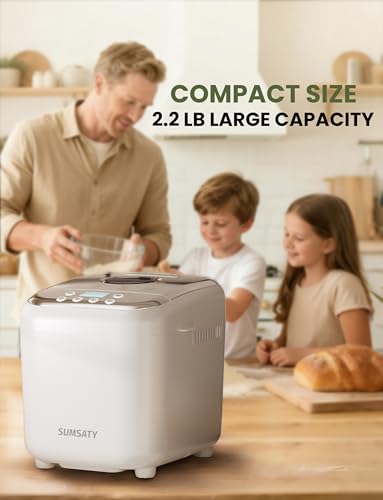
2.2 lb capacity — makes generous family-sized loaves for sandwiches, toast, and weekend baking projects.
16 preset programs — covers basics (white, whole wheat), specialty modes (gluten-free, French), and non-bread options like yogurt.
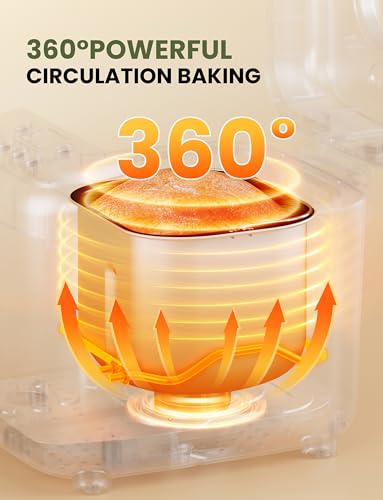
Nonstick ceramic pan — ceramic coating tends to brown crusts evenly and is generally easier to clean than uncoated pans.
15-hour delayed start — set ingredients at night and wake up to fresh bread, or time a loaf for dinner.
1-hour keep-warm — keeps loaves ready to slice if you can’t get to them immediately after baking.
Beginner-friendly — labeled as suitable for beginners with simple controls and recipe guidance included.
A Nice Fit for You If…
You want a countertop breadmaker that produces family-size loaves (2.2 lb) without complicated settings.
You bake a variety of breads — from white and whole wheat to gluten-free and French-style loaves.
You like planning ahead and will use the 15-hour delayed start to time fresh bread for mornings or dinners.
You value a nonstick ceramic pan for easier release and cleaner cleanup compared with bare metal pans.
You’d enjoy occasional extra uses (yogurt or specialty doughs) beyond just basic bread.
You want strong value — decent features and multiple programs at a sub-$100 price point.
Your kitchen counter space is moderate and you don’t need a commercial-sized machine.
Practical Use Cases
This machine shines in everyday scenarios. Plan a Sunday baking session for sandwich loaves that’ll last the week, use the delayed start to have warm bread at breakfast, or try the gluten-free program for sensitive diets without needing a separate appliance. The yogurt mode lets you make a chilled breakfast item that pairs neatly with fresh loaves. For apartment cooks, this is a single device that replaces multiple gadgets — mixer + proofing box + oven time — making breadmaking approachable and repeatable.
Experience & Feedback
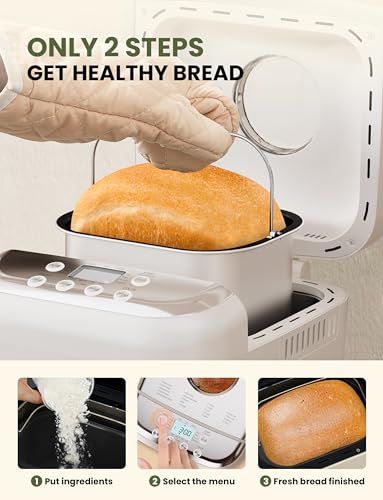
In daily use, expect a familiar bread-machine routine: measure and add ingredients, select the program, and let the machine do the kneading, rising and baking. The viewing window (typical on machines in this class) helps you monitor dough rise without lifting the lid. The ceramic pan delivers an even crust color and releases loaves with minimal scraping; most owners find it easier to clean than traditional non-coated pans, though the kneading paddle can still trap bits of dough and benefits from quick rinsing after baking.
Setup and programming lean beginner-friendly — the control panel typically uses a small LCD and a handful of buttons for program selection, crust color, loaf size and timer. Expect the machine to hum through mixing and to produce a moderate mechanical kneading noise (standard for home breadmakers). Storage-wise, the machine’s footprint is compact enough to live on most counters or tuck away in a cabinet when not in use.
Customer sentiment (4.4/5 average) points to reliable baking results for typical loaves, good value for the price, and praise for the variety of presets. Some owners note occasional crumbing around the paddle and the usual tradeoffs of a countertop bread machine compared with oven-baked artisan loaves — but for everyday convenience and consistent results, it’s a solid pick.
Pros & Cons
Big Loaf Capacity: 2.2 lb means family-size bread for sandwiches and toast.
Program Variety: 16 presets including gluten-free and yogurt expand what you can make.
Easy Release: Ceramic nonstick pan promotes even browning and simpler cleanup.
Convenient Timing: 15-hour delayed start and 1-hour keep-warm fit busy schedules.
Great Value: Feature set is competitive at about $89.99.
Noise Level: Typical kneading noise — noticeable but not disruptive (like other breadmakers).
Paddle Nooks: The kneading paddle can trap dough and needs a quick scrub after use.
Not Artisan-Level: Willn’t fully replace oven techniques for large-crusty artisan loaves.
Comparative Advantages
Compared with basic single-program or small 1 lb machines, this model stands out for its larger loaf size and the surprisingly broad 16-in-1 program set that includes niche options like yogurt. The ceramic nonstick pan is a meaningful upgrade over plain Teflon on some budget models — it often resists scratching and can give more even crust coloring. At under $100 and with a solid average rating, it sits in a sweet spot for beginners who want more flexibility without climbing to the high-end price tiers.
Audience Fit
This bread maker is best for casual home bakers, families who want daily sandwich loaves, and busy cooks who’ll use the delayed-timer feature. It’s also a good match for anyone experimenting with gluten-free baking or who wants an affordable yogurt-making option. Skip it if you need industrial-sized output, crave full artisan crust complexity that only an oven can provide, or prefer a hands-on, all-manual baking process.
FAQs
What size loaf can this make?
The machine supports a 2.2 lb maximum loaf size—large enough for family sandwiches and frequent toast.
How many programs are available?
There are 16 preset programs, including modes for Gluten-Free, French bread and a Yogurt function.
Can I delay the baking?
Yes. The 15-hour delayed start lets you set ingredients ahead of time so fresh bread is ready when you want it.
Does it keep bread warm?
It includes a 1-hour keep-warm setting to maintain loaf temperature right after baking.
Is the pan easy to clean?
The loaf pan has a nonstick ceramic coating, which typically makes release and cleaning easier; the kneading paddle may still need hand scrubbing to remove stuck dough.
Is this machine beginner-friendly?
Yes — it’s marketed for beginners, with straightforward presets, timer options, and included recipe guidance to get started.
Final Verdict
For under $100, the Bread Maker, 2.2LB 16-in-1 offers a compelling mix of size, flexibility and convenience. It’s an especially good pick for families, busy schedules, and cooks experimenting with gluten-free diets or occasional yogurt-making. Expect consistent, home-style loaves, easy ceramic pan clean-up, and the convenience of delayed start and keep-warm features. If you want a reliable, budget-friendly bread machine that does more than the basics, this model deserves serious consideration.
How It Stacks Up
The 2.2LB 16‑in‑1 Bread Maker positions itself as an affordable, feature-packed option for home bakers who want variety without a premium price. It stands out for its 16 programs (including gluten‑free and yogurt), a larger 2.2 lb capacity, and a ceramic nonstick pan —making it a practical mid/budget choice for families and beginners. Tradeoffs versus higher-end machines include fewer advanced controls, simpler kneading mechanics, and mixed long‑term durability reports.
Zojirushi Home Bakery Supreme (BB‑CEC20) — Premium performance: very consistent crust and crumb, precise temperature control and dual kneading blades. Considerably pricier than the 2.2LB machine, but better for serious bakers who want salon‑quality loaves and long service life. Downsides: higher cost and fewer specialty program surprises like yogurt.
Cuisinart CBK‑200 Convection — Midrange alternative: convection bake option and more advanced crust/loaf controls make it a strong step up for those who want more customization. Slightly pricier than the 2.2LB model in many retailers. Practical if you value faster, more even baking and a visible viewing window.
Hamilton Beach 29882 / HomeBaker — Budget‑friendly: simpler interface, fewer programs, and reliably low price. Cheaper than the 2.2LB machine and good for beginners or occasional bakers. Downsides include less consistent crumb structure and no ceramic pan or yogurt function.
Oster Expressbake (2‑lb models) — Value with speed: includes quick/express bake cycles that are handy when you need a loaf fast. Generally lower‑priced than the 2.2LB unit but sacrifices the breadth of programs and some dough handling finesse. Best for users who prioritize speed over artisan texture.
Who should buy the 2.2LB 16‑in‑1 Bread Maker: pick this if you want a roomy loaf size, a wide set of programs (gluten‑free, French, yogurt) and a ceramic nonstick pan at a mid/budget price point. Who should consider an alternative: opt for Zojirushi or Breville if you need top‑tier consistency and precision and can pay a premium; choose Cuisinart for convection and more customization; pick Hamilton Beach or Oster if you want the lowest cost or fastest bake cycles. In practice, most buyers report the 2.2LB model delivers strong everyday value for families and hobby bakers.