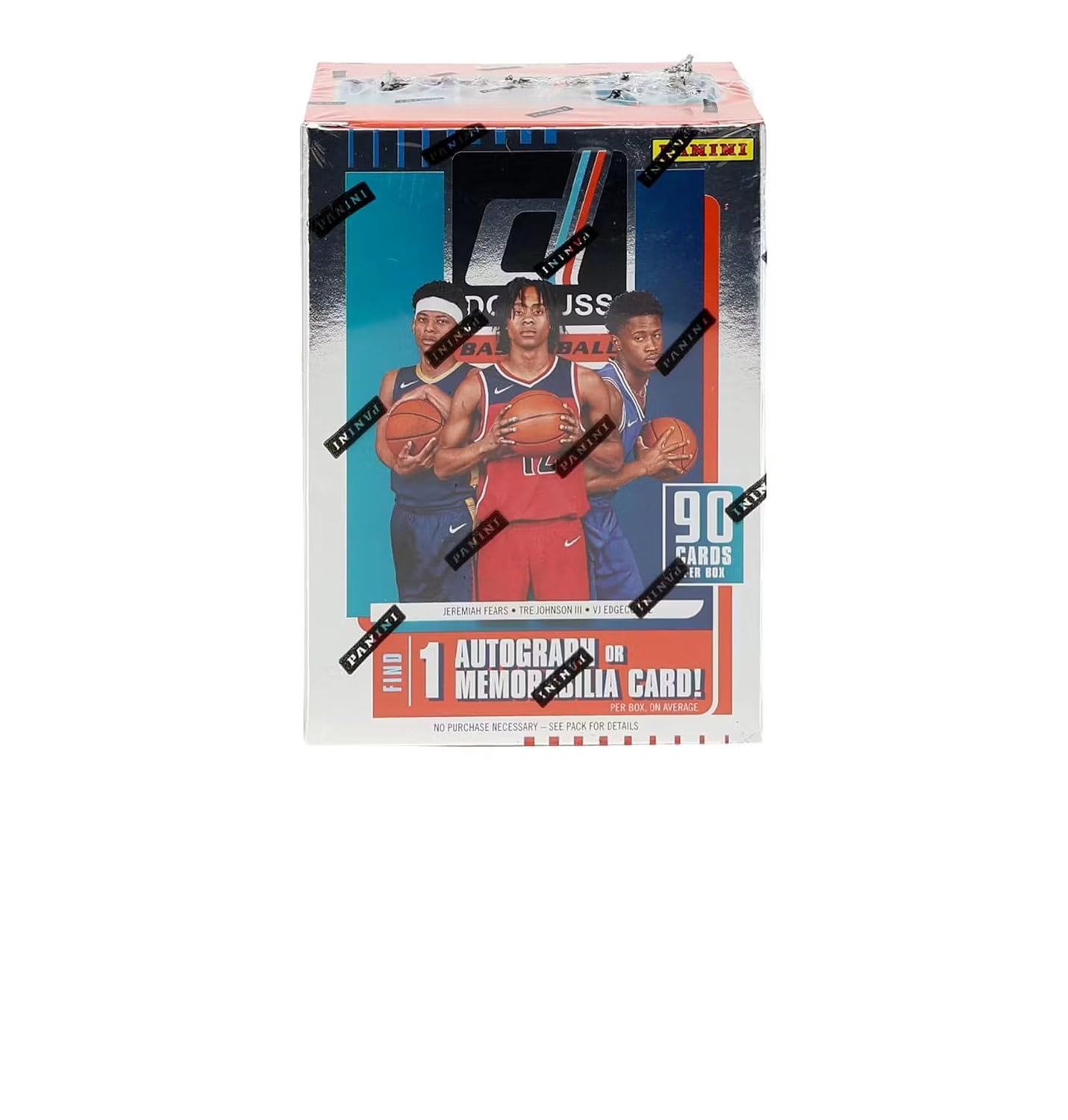
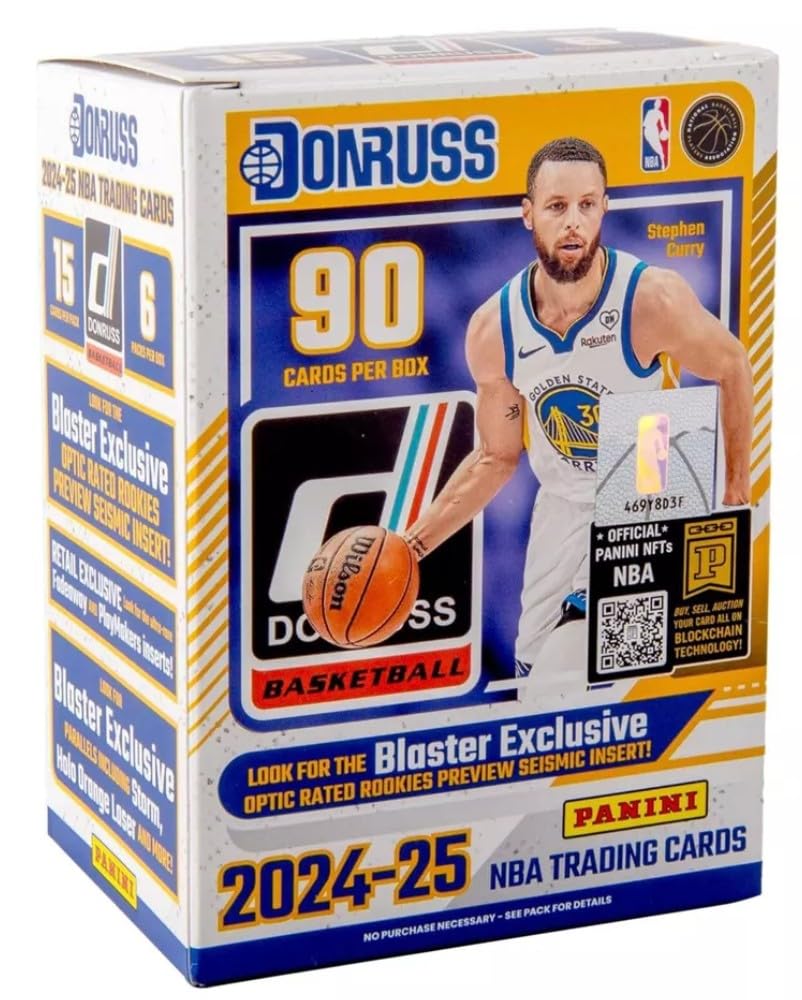
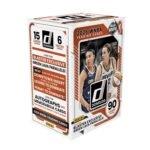
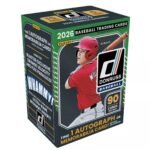
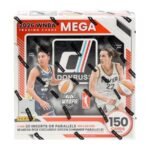
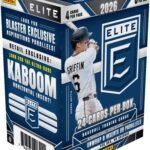
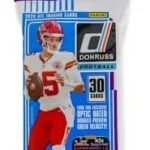
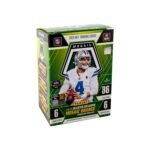
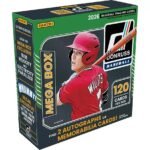
Is the Panini Donruss Blaster worth it? For $39.69 you get a box that promises one autograph or memorabilia card, a stack of base cards, and the specific thrill of chasing rookies. This Panini Donruss review breaks down exactly what that forty bucks buys you—and where it falls short.
This blaster box offers an affordable entry point with a guaranteed autograph or memorabilia, delivering strong perceived value for its price point.
Price vs. rivals
Typical
CheaperTypicalPricier
Priced near the typical mid-range for basketball blaster boxes, reflecting Donruss's position as a popular but not premium brand; slightly above average versus comparable alternatives.
Ease of use
Excellent 95/100
Opening the box and packs is straightforward, requiring no special tools or knowledge.
Overview
Donruss is Panini’s entry-level basketball release, the one that shows up on shelves next to the $200 hobby boxes and winks at you with bright, cartoonish design. The 2025-26 Blaster is a 40-card blaster box: five packs, eight cards each, plus that promised hit. It solves the problem of wanting to rip packs without dropping a rent payment. The real audience is the collector who’s okay with base cards piling up, because that’s mostly what you get.
It’s not for prospectors who need numbered parallels or on-card autographs from top picks. It’s for the person who wants to open something on a Tuesday night and maybe pull a Victor Wembanyama base rookie (or, if luck holds, his autograph on a sticker). The cardboard is thin. The collation can be messy. But for the price, the trade-off is fair.
Key Features
One autograph or memorabilia card per box – That’s the headline. You are guaranteed either a signed card or a relic (jersey, patch). Which player? That’s the gamble. Expect role players or deep rookies more often than stars.
Five packs of eight cards, factory-sealed – Standard blaster format. Packs are easy to open, no foil peels. You get exactly 40 cards, plus the hit replaces one of them.
Rated Rookie variations and inserts – The Donruss base set includes the famous Rated Rookie design. There are also inserts like Donruss Optic (yes, the spelling is intentional), Holo, and Press Proofs. You’ll find them in about every third pack.
Retail-exclusive packaging – This blaster is only sold through big-box stores and online retailers, not hobby shops. The cardboard box itself is plain, but the packs inside are identical to what you’d get in a hobby box.
Price point around $40 – It sits below competing blasters like Topps basketball (which runs about $35-45) but above the cheaper retail packs. The value comes from the hit guarantee, not the base cards.
Fit for You
You want to rip a box after dinner without a second thought about budget.
You’re introducing a kid or a friend to the hobby and need something that doesn’t require explaining redemption codes and serial numbers.
You enjoy the chaos of retail—the hunt for a box at Target, the hope that the packing gods didn’t short you.
You specifically chase Rated Rookie cards of current rookies like Scoot Henderson, Brandon Miller, or the 2024 draft class.
You’re okay with sticker autographs and plain white jersey swatches because the price lets you forgive the materials.
You’re comparing Panini Donruss vs Topps basketball blaster and want the one with a guaranteed hit.
Uses
The classic use case: a Saturday morning, coffee in hand, sorting through the stack of common cards while your kid yells when they see a shiny corner. The blaster lasts about ten minutes of actual opening, then another twenty of sorting and maybe one minute of excitement if the hit is decent.
It also works as a low-stakes gift for a basketball card fan. You hand them the box and say “here, you might pull something good.” They probably won’t, but they’ll have the fun of opening it. That’s the point.
For a beginner—say a 10-year-old who just learned what a rookie card is—this box gives them enough base cards to fill a binder and a real shot at a jersey card they can show off. The Rared Rookie design is clean and easy to spot, so they learn the set quickly.
Experience
Opening the box is anti-climactic: it’s just a flimsy cardboard box with Panini branding. Slide out the five packs. They’re loose, no cellophane wrap. The first thing you notice is how thin the cards feel. Base cards are flimsier than Topps flagship—bendable, with a waxy coating that fingerprints easily.
Pack one: a bunch of veterans, two horizontals, one insert. Pack two: more base, a yellow parallel that’s actually common. By pack three you’re already hoping the hit is in the last pack. That’s the pattern. The hits are almost always in the final pack or two. You’ll develop a ritual: open the first four quickly, then slow down on the last one, peeling carefully.
The autograph, when it comes, is a sticker on a generic design. The relic is often a plain white swatch from a jersey used in a photo shoot. Both are disappointing if you’ve seen hobby-level cards. But if you’re new to it, they still feel cool. The insertion rate for a true star auto is low. Search any forum for “Panini Donruss autograph odds” and you’ll find tales of pulling a fourth-string point guard’s sticker—and the occasional Victor Wembanyama Rated Rookie silver Prizm parallel (which isn’t even Donruss, but you get the idea).
Storage: the blaster box is useless after opening. You’ll need penny sleeves and top-loaders for any hit. The base cards go straight into a shoebox or a giveaway pile. Cleanup is just throwing away five wrappers and a box. Not noisy, not messy.
Pros and Cons
Pros
Guaranteed hit per box – Unlike many blasters where you might get nothing, Donruss promises an auto or relic. That alone justifies the price if you’re risk-averse.
Low barrier to entry – At $39.69 it’s affordable for a casual rip. You don’t need a second mortgage.
Rared Rookies are iconic – The in-your-face rookie design is nostalgic and easy to spot. Even base rookies hold some value for team collectors.
Good for kids and beginners – The simple base set, bright colors, and inserts make it fun without overwhelming a new collector.
Cons
Card quality is poor – Thin stock, easily bent, and the coating attracts fingerprints. Compared to Topps Chrome or even flagship Topps, these feel cheap.
Hit quality is often disappointing – You’ll get a sticker auto of a bench warmer or a plain white swatch. The “hit” can feel like a participation trophy.
Collation can be messy – Duplicates happen even in one blaster. You might pull the same base card three times out of 40.
No hobby-exclusive parallels – If you want numbered cards or on-card autos, you need the hobby box (which costs three times as much). This blaster is strictly retail-level.
Advantages
Guaranteed hit vs. Tops baskets – In the Panini Donruss vs Topps basketball blaster debate, Donruss wins for the confirmed auto/relic. Topps blasters often have no guarantee, just odds.
Best basketball blaster box for collectors on a budget – If you have exactly $40 and want the most chasing potential per dollar, this is it. Japan-exclusive boxes cost more; hobby boxes cost far more.
Easy to find – Amazon, Target, Walmart all stock it. No need to camp out or pay resale. The 2025-26 edition is current and widely available.
Decent resale floor – Even if you get a dud hit, you can sell the base rookies for small amounts. The Expected value is roughly $10-15 for the average box, but the thrill is the upside.
Who Should Buy
Buy it if you want an affordable, one-box rip night with a friend or kid. The guaranteed hit gives you something to talk about.
Buy it if you’re building the Donruss base set of 2025-26 and need Rared Rookies. A blaster gets you about half the set.
Skip it if you’re a value investor looking for long-term holds. The card quality and low rarity mean most hits won’t appreciate.
Skip it if you hate sticker autographs or plain jersey relics. Spend double on a Panini Prizm blaster for chrome cards and better odds on parallels.
FAQ
Is the Panini Donruss Blaster worth it?
Yes, if you value the experience of opening packs and the guarantee of a hit. No, if you expect a high-value card every time. For $39.69, it’s the safest bet among budget blasters.
What are the Panini Donruss 2025-26 blaster hits?
The hit is either an autograph (sticker) or a memorabilia card (jersey swatch). You get exactly one per box. Inserts like Optic, Holo, and Press Proof also count as hits, but the guaranteed one is the auto/relic.
How do Panini Donruss autograph odds compare?
One out of every blaster contains an autograph—that’s 100% odds for a box. But the odds of pulling a star like LeBron or Wembanyama are extremely low, probably less than 1 in 500 boxes based on typical print runs.
Is Panini Donruss blaster box value better than Topps?
For pure value, yes—because you get a confirmed hit. Topps blasters often have no guarantee, so you might pull nothing but base. However, Topps flagship has better card quality and name recognition among basketball purists.
Best basketball blaster box for collectors new to the hobby?
This one. Low price, simple set, and the hit gives a sense of reward. The Rared Rookie design is iconic. Avoid retail boxes with parallel-heavy sets like Mosaic for beginners.
Can you get rookie autographs in this blaster?
Yes, but they’re sticker autographs, not on-card. Top rookies like Victor Wembanyama, Scoot Henderson, and Brandon Miller have autos in the set, but pulling one is very unlikely—think 1 in several hundred boxes.
Final Verdict
The 2025-26 Panini Donruss Blaster is the honest minimum-viable ripping experience. You get exactly what you pay for: a shot at a souvenir, a stack of base cards, and ten minutes of fun. The card quality is meh, the hits are often forgettable, but the price is low enough that the disappointment doesn’t sting.
If you’re the kind of collector who wants the rush of a possible big hit without the angst of a $200 box, this blaster is your lane. The Panini Donruss blaster box value is in the enjoyment, not the return. Buy one, rip it, and if you’re lucky, you’ll have a story. If not, you’re out less than dinner for two. That’s a fair trade.
The 2025-26 Panini Donruss Blaster sits in a curious spot. At about $40, it’s the cheapest basketball blaster that still promises a real hit — one autograph OR memorabilia card per box. That alone makes it a serious contender if you’re reading this Panini Donruss review comparison and wondering where your money goes. But the market has other blasters that trade a guaranteed hit for better odds at something bigger, or charge more for a shinier base set. Here’s how it lines up against three real alternatives.
Product
Price Range
Key Strength
Key Weakness
Best For
Panini Donruss Blaster
Under $45
Guaranteed autograph or relic per box
Base cards lack long-term demand; hits are often low-end
Budget collectors who want a certain hit and don’t mind a plain design
Panini Prizm Basketball Blaster
$50-65
Massive rookie card following and high resale for top parallels
No guaranteed hit; base pack price is higher for what you get
Investors and flip-chasers after valuable rookies
Topps Chrome Basketball Blaster
$40-55
Clean refractor design and official NBA license; rising brand trust
Newer to basketball; hit rates are lower than Donruss’ guarantee
Collectors who prefer modern Topps aesthetics and a fresh rookie crop
Panini Mosaic Basketball Blaster
$45-60
Bold, eye-catching parallels; good hit frequency for the price
Parallel overload can bury the value of base cards; similar cost to Donruss with no guaranteed hit
Set builders and color-chasers who love shiny inserts
Panini Donruss Blaster vs Panini Prizm Basketball Blaster
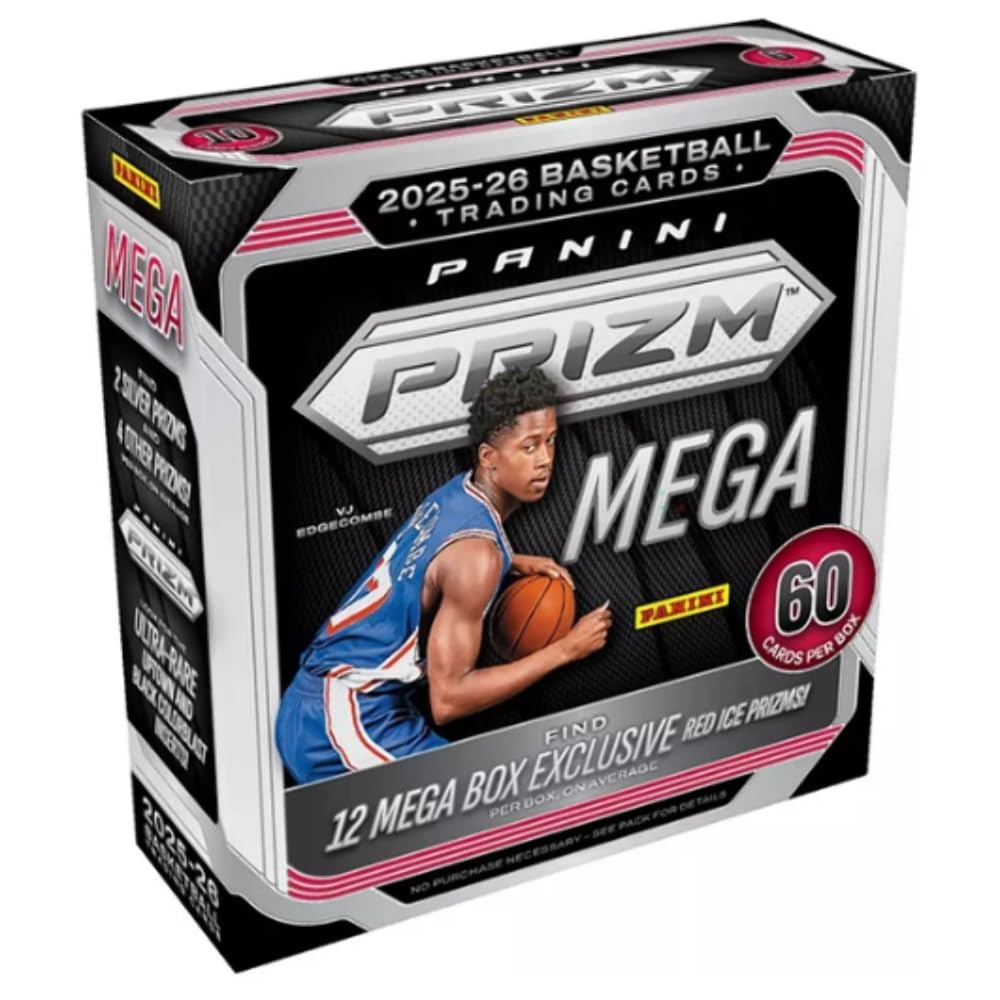
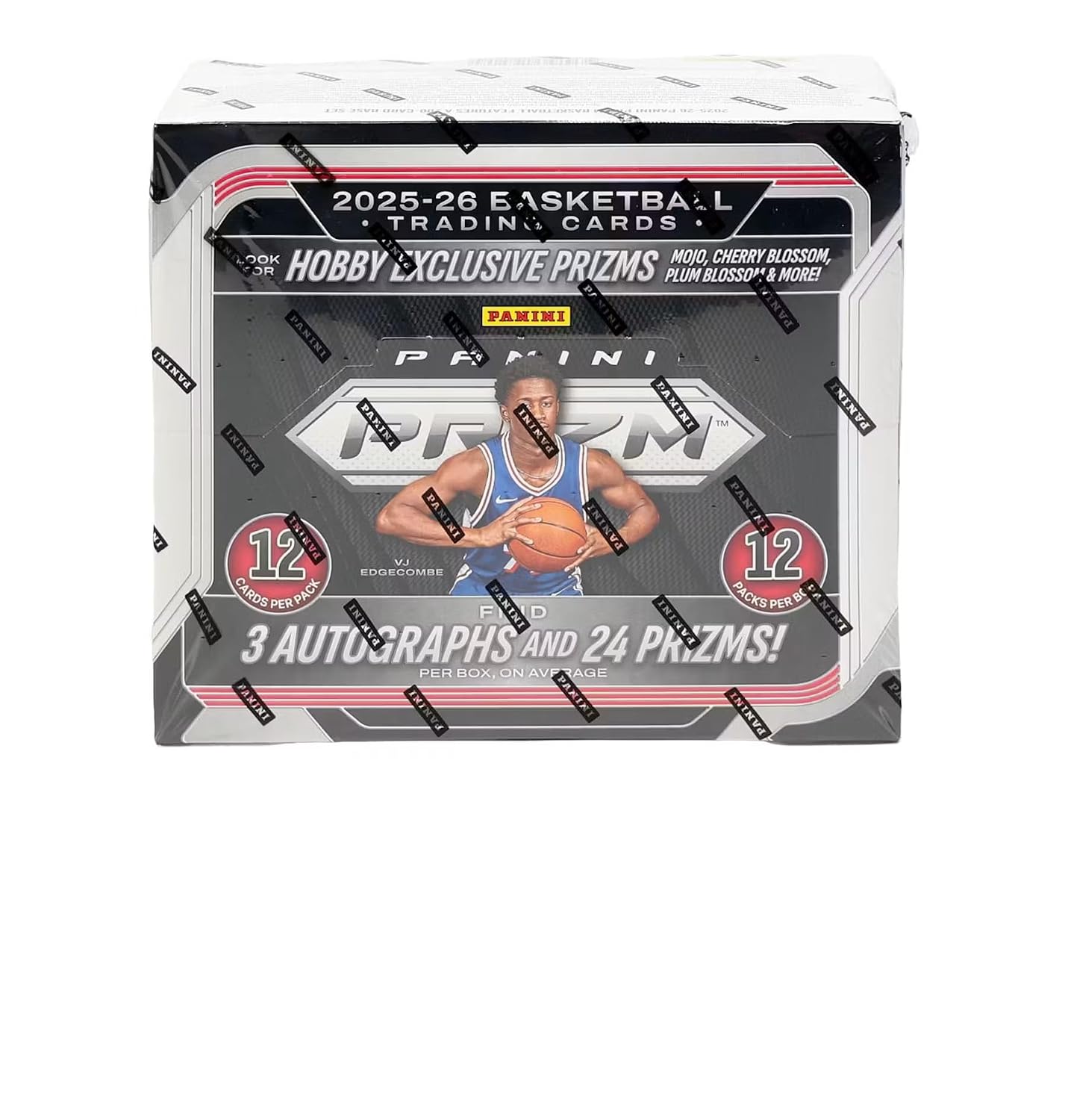
Prizm is the heavyweight. Walk into any card shop and it’s the blaster everyone reaches for first. The 2025-26 Prizm blaster doesn’t promise you an autograph or relic, but the base cards — especially the silver parallels — have a long track record of holding value. The Panini Donruss Blaster vs Topps basketball blaster comparison is more about budget than brand loyalty, but this one is different: Prizm costs $15-20 more per box, and your odds of pulling a rookie worth triple digits are genuinely higher than in Donruss. That said, you can buy two Donruss blasters for the price of one Prizm blaster and walk away with two guaranteed hits. If your goal is to rip packs for fun and not worry about flipping, the Panini Donruss Blaster gives you more cardboard for your cash. If you want the one card that pays for the box, Prizm is the better gamble — just know you might get nothing but base.
Panini Donruss Blaster vs Topps Chrome Basketball Blaster
Topps Chrome is the newcomer with a familiar name. After Topps regained the NBA license, their 2025-26 basketball blaster arrived with fanfare. The cards have that signature Chrome sheen and a refractor rainbow that feels premium. But here’s the rub: Panini Donruss autograph odds are effectively 1:1 (you get one per box), while Topps Chrome blasters usually pack one autograph per case — you’ll see maybe one in every twelve blasters. For the same $40-ish price, you’re trading a guaranteed signature for a prettier base set and a lottery ticket. If you collect to flip, Topps Chrome rookies from this class could spike later, but that’s a wait. For immediate satisfaction, the Panini Donruss 2025-26 blaster hits — even if they’re lower-tier names — show up in your hands immediately. Pick Topps Chrome if you love the look and can stomach the odds. Pick Donruss if you want the certainty of an autograph or relic in the sleeve right now.
Panini Donruss Blaster vs Panini Mosaic Basketball Blaster
Mosaic is Donruss’ flashier cousin. Both sit in the mid-range price tier, but Mosaic runs $5-10 more per blaster and doesn’t guarantee a hit. What it does guarantee is a riot of color: the Mosaic pattern on every card, dozens of parallel variations, and inserts that pop. For best basketball blaster box for collectors who value aesthetics over hit rates, Mosaic wins. But the Panini Donruss Blaster vs Panini Mosaic decision comes down to a single question: would you rather open six packs and know one has a hit, or open six packs and hope the lottery pays off with a rare parallel? If you’re a player collector who just wants to fill a binder, Mosaic’s base designs are more interesting. If you’re after an autograph of a rookie or a vet, Donruss delivers. The trade-off is simple: Donruss gives you a hit every time, Mosaic gives you a prettier bust when you miss.
So who should buy the Panini Donruss Blaster? Anyone who wants a real, tangible hit from every box without spending $50+ — especially if you’re new to collecting or buying for a kid who doesn’t care about parallel rarity. It’s the sensible choice when you value certainty over lottery potential. But if you’re chasing a specific rookie that only appears in the most desirable sets, or you have a few extra dollars to burn on higher upside, the Panini Prizm Blaster is a better alternative for that specific goal. Donruss is reliable, not flashy — and sometimes that’s exactly the right call.
Ready to decide on the Panini Donruss Blaster?
See today’s price, stock and delivery options on Amazon.