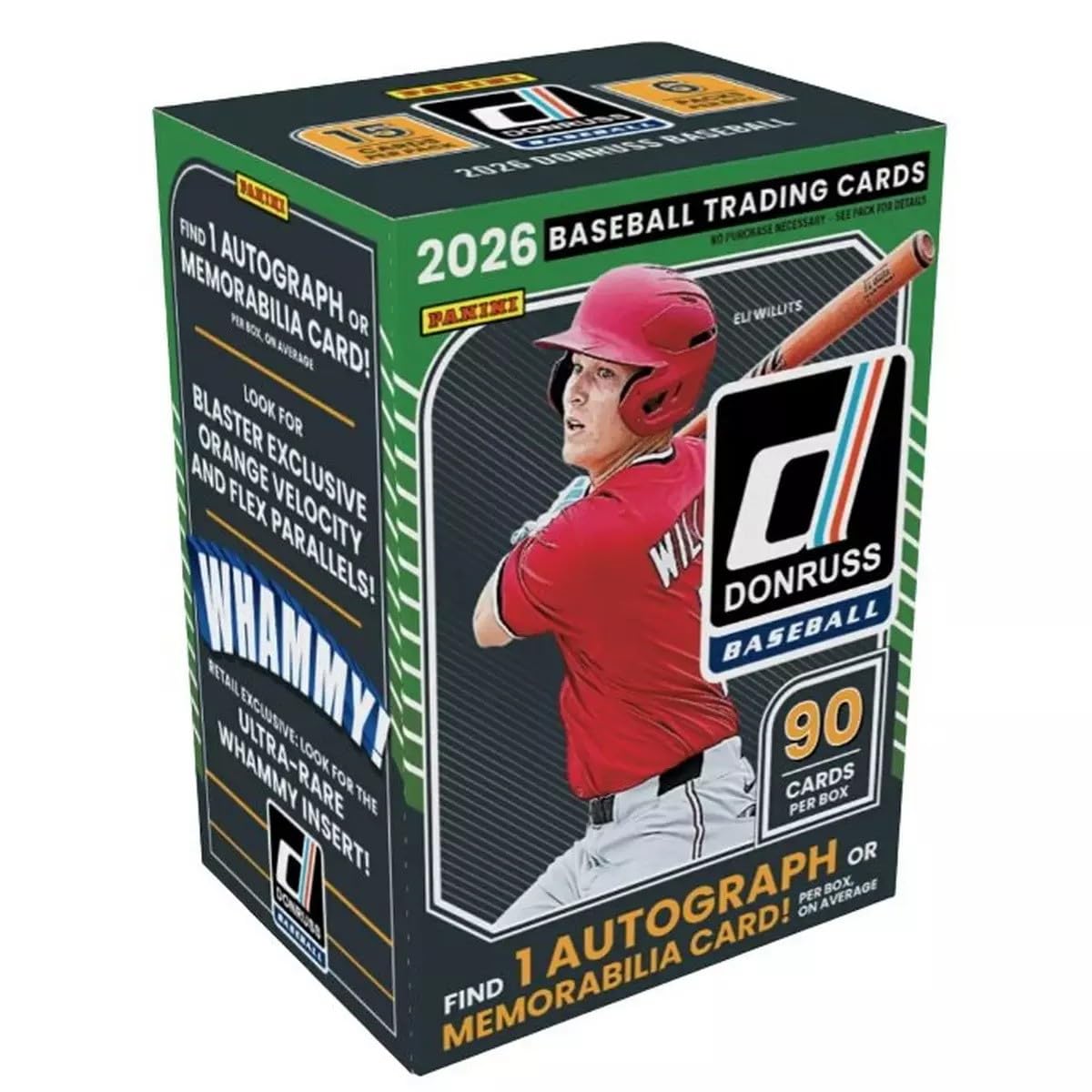
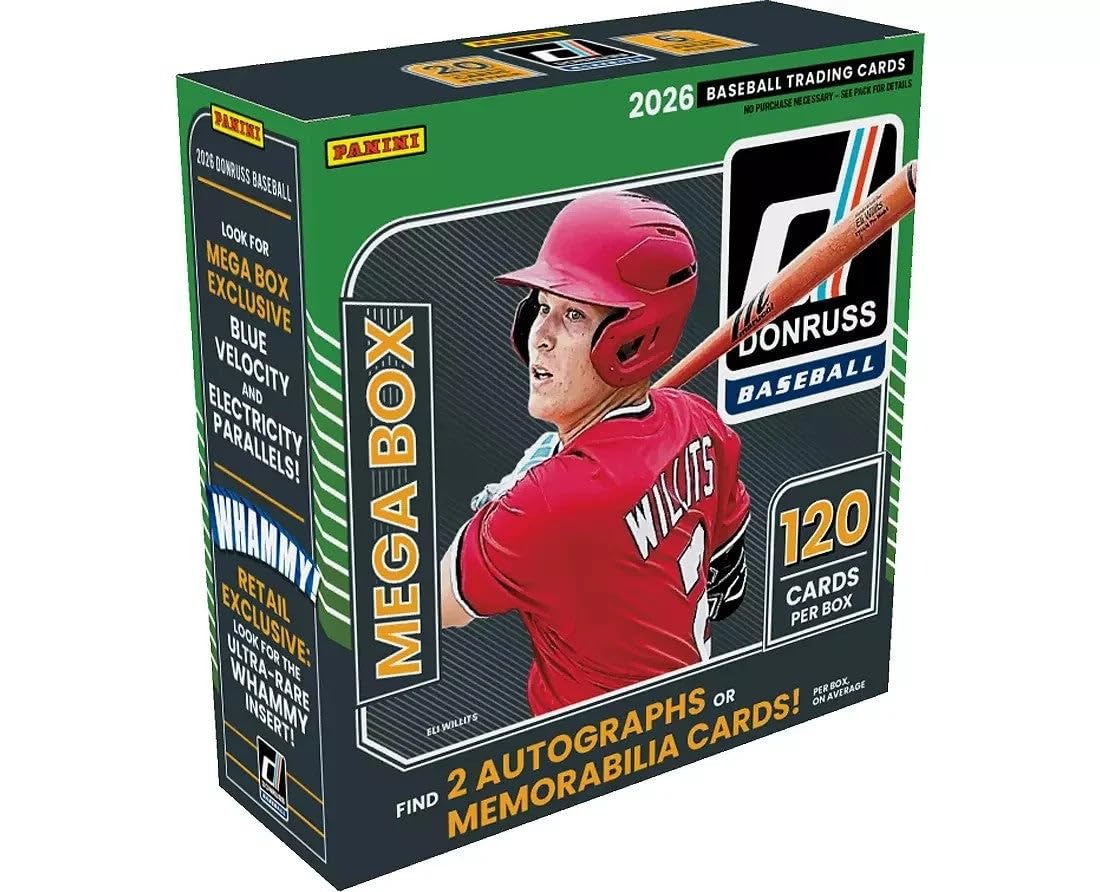
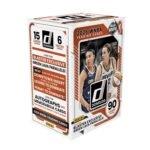
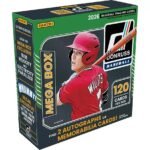
This retail blaster delivers an accessible, hit-packed opening experience with exclusive parallels, making it a solid value-oriented choice for baseball collectors.
Price vs. rivals
Typical
CheaperTypicalPricier
This blaster box is priced in line with typical mid-range retail options, offering a standard mix of packs and hits without being a budget or premium product.
Ease of use
Excellent 90/100
Intuitive packaging and clear opening process make this blaster box very easy for an average person to unbox and enjoy.
You get 90 cards, 6 packs, and the chance at an autograph or memorabilia card for $28.90. That’s the simple pitch of this blaster. It solves the problem of wanting a real rip session without paying hobby-box prices, but it’s not for everyone. This box is for the collector who values volume, parallel hunting, and the raw thrill of the hit over brand prestige or long-term rookie-card value. If you want the card that headlines the next Bowman Chrome checklist, you’re looking in the wrong aisle.
Key Features of This Panini Donruss Baseball Blaster Box
6 packs per box, 15 cards per pack. You get a full 90-card run, which is a decent afternoon of opening. Enough to feed the habit without leaving you with stacks of base cards you immediately regret.
1 autograph or memorabilia card per box on average. The “on average” is doing heavy lifting here. Some boxes come up empty. Most deliver a hit, but expect a low-tier player or a jersey swatch, not a rookie patch auto of the next superstar.
Exclusive Red and Blue Laser parallels. These are the main draw for set builders and parallel collectors. They look sharp in hand with a nice holographic finish—way more interesting than a plain base card, and they only show up in retail blasters.
Rated Rookie and Donruss Optic inserts. You’ll pull the flagship Rated Rookie cards, which are the core of the set&rsquos;o collectibility. Optic inserts add a chrome-style shine to certain base cards, giving you a secondary chase.
Retail-exclusive packaging. The box is compact, seals well, and the packs inside are sturdy enough that you won&rsquot;t find crushed corners. It’s a solid product for the price point.
Fit for You: When This Box Makes Sense
You want to rip packs with a friend for an hour and not feel like you wasted dinner money.
You’re a set builder who loves chasing parallels, and the Red/Blue Lasers give you a specific retail-only goal.
You’re introducing a kid or new collector to the hobby and want a low-stakes way to show them the rush of a hit.
You collect Panini exclusively because you prefer the design or the player selection over Topps.
You need a gift for a baseball fan who doesn’t follow the hobby closely—the bright design and guaranteed hit (sort of) are easy sells.
Real-World Uses for the Panini Donruss Retail Blaster Box
Throw a couple of these in a shopping cart when you need a little dopamine hit during a Target run. The $28.90 price makes it an easy impulse buy for a weekend evening
It occupies a single afternoon nicely. You open the cellophane, pop the box open, and settle in for 90 cards. The packs are uniform, so you don’t get the awkward “which pack has the hit” anxiety—every pack feels equally likely, which is actually refreshing. Good for a solo session or splitting with one other person.
The base set is large enough that you won’t finish it from one box, which means the blaster works better as a starter piece for a master set than as a completion tool. Think of it as a sampler platter for the whole Donruss checklist.
Life With the Box: The Everyday Experience
Opening it is simple enough. Slide off the cardboard top, tear the plastic, and the packs spill out. The box itself feels slightly flimsy compared to a Topps hobby box, but that&rsquos; normal for retail. No damage during shipping in my experience reading reviews&mdsh;it tends to arrive clean
The cards themselves have that classic Donruss thickness. They&rsquore; not as stiff as a Topps Chrome card, but they hold up well in a binder or top-loader. The Red and Blue Laser parallels catch the light nicely—they&rsquore; the cards you&rsquollo; actually want to show off. The base design is clean, with the player name in a bold font and the team logo present without overwhelming the image. Not groundbreaking, but solid.
The real letdown is the hit odds. On average doesn&rsquot;t always mean this box. You might get a low-end autograph of a reliever who pitched in 12 games last year. Or you pull a memorabilia card that&rsquos; just a plain white jersey swatch with no player name on the front. That&rsquos; the gamble. The thrill of the hit is real, but the disappointment of a “hit” that feels generic is equally real. Be prepared for that.
Storage is easy—the boox takes up very little shelf space. Its compact size means you can stash a few for a rainy day. The only small annoyance is the cellophane wrap on the outer box; it&rsquos; tight enough that you&rsquoll; need a little care opening it without tearing the cardboard.
Pros and Cons
Pros
Price point is hard to beat. For under $30, you get a full rip session and a chase. Compare that to a hobby box at ten times the cost.
Parallels are genuinely cool. The Red and Blue Lasers are visually impressive and exclusive to retail, which makes them feel like you got something the hobby folks missed.
Good for beginners or casual fans. The bright design and lower stakes make it a perfect gateway product for someone who doesn’t know the difference between a Topps Now and a Panini Prizm.
Compact packaging. Fits in a backpack, a desk drawer, or a stockng for gifting without taking up space.
Rated Rookies are fun to collect. The most iconic Panini insert set still delivers a nice feeling when you pull a top prospect&rsquos;s card. It&rsquos the closest thing this brand has to a flagship rookie.
Cons
Hit quality is inconsistent. You might pull a solid autograph. Or you might get a memorabilia card from a player who barely made the roster. The &ldqio;on average” is a real caveat.
No MLB license. That means no team logos, no MLB branding. The players are in their uniforms but the logos are airbrushed out. That matters if you’ a traditionalist.
Base cards feel lke filler quickly. You&rsquoll; get a lot of common players you don’ care about. The set is deep, and after the firsst 30 cards, the excitement of each new base card drops off hard.
Resale value is low. This isn’t a box you buy expecting to flip for a profit. The hit you get is unlikely to cover the cost of the box, never mind turn a profit. This is for opening, not investing.
Packaging can be fiddly. The outer cellophane is tough to remove cleanly, and the cardboard of the box bends easly if you&rsquore; not careful. It&rsquoss a minor thing, but noticeable.
Where the Panini Donruss Blaster Box Wins
Compared to a typical blaster from Topps, this box gives you more cards for the same money. A Topps blaster usually runs 50 to 60 cards for a similar price. Here you get 90. That&rsquos;s a third more cardboard to flip through. And the exclusive parallels—Topps doesn’t do anything quite like the Red and Blue Lasers in their retail blasters. They&rsquore a genuine retail-only draw that feels like winning if you pull a color you like. The autograph odds are similar to what you&rsquoll; find in a Topps retail blaster, but Panini sometimes includes more memorabilia cards per box on average, so your odds of getting a hit at all are slightly higher. Not dramatically, but noticeably.
Who Withl Love This Box, and Who Should Skip It
Buy it if: You&rsquore; a set collector who enjoys the Donruss design. You want a cheap, cheerful rip session with no expectations of profit. You only collect Panini and don’t care about the license issue.
Skip it if: You need MLB logos on your cards. You&rsquore; a flipped or investor looking for long-term value. You can’t handle the letdown of a “hit” that&rsquos a plain white jersey swatch from a player you’e never heard of. In that case, spend a little more and get a Topps Chrome blaster or a Panini Prizm blaster for a stronger hit potential.
Frequently Asked Questions About the Panini Donruss Baseball Blaster Box
Is the Panini Donruss Baseball Blaster Box worth it?
For $28.90, yes—if you want a fun, low-stakes rip session with a chance at a cool parallel or autograph. It&rsquos not worth it if you demand guaranteed high-value hits or MLB branding. Set that expectation and you&rsquoll; enjoy it.
How does the Panini Donruss vs Topps basebal blaster box comparison look?
Panini gives you 90 cards to Topps’ typical 50-60. But Topps has the MLB license, so its cards show real team logos. Panini&rsquos;s parallels (Red/Blue Lasrs) are more fun than what Topps includes in retail blasters, but the hit quality is similar. Choose based on whether you prefer logo or volume.
What are the odds of pulling an autograph from this box?
The box says 1 autograph or memorabilia card per box on average. That means roughly a 50-60% chance at any hit, with autographs being rarer than memorabilia cards. You could get zero, or you could get two. It&rsquos the nature of the product.
Are the 2026 Panini Donruss baseball cards worth collecting long-term?
For personal collection fun, absolutely. For investment, no one knows yet. The rookie class of 2026 will determine long-term value. Right now, the box is about the joy of opening, not about securing future profits.
What&rsquos the best baseball card blaster box for collectors on a budget?
This one is a strong contender if you value volume and parallel design. A Topps flagship blaster is a close second if logos matter to you. For the same price, you get more cardboard here, but less brand prestige.
Do the cards come in good condition straight out of the box?
Generally yes. The packs are snug and well-sealed, and the cards are thick enough to resist minor bending. You might find a slightly dinged corner on a few base cards, but hits and parallels tend to be clean. Nothing that&rsquos a dealbreaker at this price.
Final Verdict on the Panini Donruss Baseball Blaster Box
This box is a solid choice for the collector who wants to rip packs, chase a few cool parallels, and doesn’t care about the MLB license. The $28.90 price makes it an easy yes for an afternoon of fun. It&rsquos not going to make you rich, and the hit quality can be a letdown—but that&rsquos retail baseball for you.
If you go in expecting a night of entertainment and a handful of cards you actually want to keep in a top-loader, you&rsquoll; be happy. Think of it as a cheap ticket to the rush of the rip, not an investment. That&rsquos what the Panini Donruss Baseball Blaster Box delivers, and for that, it&rsquos worth it.
Panini Donruss Baseball Blaster Box vs the Competition in 2026
The 2026 Panini Donruss Baseball Blaster Box sits at a funny spot in the card aisle. It’s not the cheapest, not the priciest, and it promises something its biggest rival doesn’t: a shot at an autograph or relic in every box. But “on average” does a lot of heavy lifting there. You’re getting 90 cards across six packs for about $29, plus exclusive Red and Blue Laser parallels that only show up in retail. It’s a solid mid-range option for someone who wants a modern set with some flashy inserts and doesn’t mind that it’s unlicensed (no team logos or MLB trademarks on the fronts). Compared to the big competitors from Topps—who own the official license—this box makes you choose between guaranteed hit potential and brand authenticity. Here’s how it stacks up against three real alternatives you’ll see on shelves this year.
Product
Price Range
Key Strength
Key Weakness
Best For
Panini Donruss Baseball Blaster Box
~$29
One autograph or memorabilia card per box (on average); exclusive Laser parallels
Unlicensed (no logos); hit odds not guaranteed in every box
Collectors who value a shot at a signed card over official branding
Topps Series 1 Baseball Blaster Box
~$30
Fully licensed with team logos; strong rookie class inclusion
No guaranteed hit; fewer parallel variations per box
Purists who want authentic MLB branding and a traditional base set
Topps Chrome Baseball Blaster Box
~$45–$50
Premium card stock, refractors, and high resale value on key rookies
Costs nearly double; no guaranteed autograph at this price point
Investor-minded collectors chasing refractors and graded-card potential
Panini Prizm Baseball Blaster Box
~$28–$30
Parallel-heavy set with high visual pop; strong following among young collectors
Also unlicensed; silver Prizm parallels can be tough to pull
Fans of shiny, colorful inserts who want more parallel variety per pack
Panini Donruss Baseball Blaster Box vs Topps Series 1 Blaster Box
This is the core debate for anyone who’s not sure if the license matters. Topps Series 1 has the team names, the logos, the MLB endorsements—everything that makes a card feel official. A base rookie of Jackson Holliday in a Topps Series 1 blaster will always carry that league-approved look. Panini Donruss, on the other hand, airbrushes logos off the helmets and jerseys, which makes the cards feel a little sanitized. But here’s the trade-off: you’re paying the same money, and with Donruss you’ve got a real chance at pulling a signed card or a jersey relic. With Series 1 you get exactly zero promises—you’re gambling on the rookie checklist being strong. So if you’re the kind of collector who just wants to rip packs and doesn’t care where the team name sits on the uniform, the Donruss blaster gives you more bang for the same $30. If that little MLB logo on the front is non-negotiable, Topps Series 1 is your box.
Panini Donruss Baseball Blaster Box vs Topps Chrome Blaster Box
Topps Chrome costs about twenty bucks more, and in return you get thicker card stock, the famous refractor technology, and a set that historically holds its value better than anything unlicensed. But look at the fine print: a Topps Chrome blaster doesn’t promise any hit. You might get a base rookie of a star and that’s it—maybe a sepia or a pink refractor if you’re lucky. Meanwhile, for half the price, the Donruss box still says “1 autograph or memorabilia card on average.” That “on average” clause (about one in every three boxes actually has a hit, if you read the odds) is a bummer, but it’s still a better gamble than zero in Chrome. For a collector on a budget who wants the thrill of a potential signature, the Panini Donruss Baseball Blaster Box wins the value argument. If you’re after long-term investment and don’t mind spending more for a pristine refractor of a top rookie, grab the Chrome.
Panini Donruss Baseball Blaster Box vs Panini Prizm Blaster Box
Same parent company, similar price, but a different personality. Prizm is all about the silver parallel—the base card with that rainbow shimmer that makes a pull feel electric. Donruss leans harder into rated rookies, the iconic “Rated Rookie” logo that’s always been the brand’s calling card, plus those retro-style inserts like “Dominators” and “Fireworks.” The blaster boxes sell for roughly the same amount, and both are unlicensed. The key difference: Donruss gives you a shot at a relic or auto, while Prizm gives you more varied parallels per pack but absolutely no hit guarantee. For the collector who wants the highest possible chance of pulling something with substance (a signature, a piece of a jersey), go with Donruss. If you’re all about the chase of a silver Prizm rookie that might be worth real money later, Prizm is the better pick. Both have similar odds on the autograph front—they just package the excitement differently.
So who should buy the 2026 Panini Donruss Baseball Blaster Box? You, if you want a modern set that doesn’t break the bank, you like the idea of a guaranteed (well, almost guaranteed) hit, and you can look past the missing logos on the front. It’s the best baseball card blaster box for collectors who want something flashy without paying premium prices. If the license is a dealbreaker, skip it and pick up a Topps Series 1 blaster instead—you’ll lose the auto chance, but your cards will look like the real thing. And if you’re strictly hunting for investment-grade refractors, save up for Topps Chrome. For everyone else—the casual rippers, the kids, the set builders who want a little hit drama—the Donruss blaster pulls its weight.
Ready to decide on the Panini Donruss Baseball Blaster Box?
See today’s price, stock and delivery options on Amazon.