Highly rated, practical everyday shipping supply that delivers strong value for small businesses on a budget.
Price vs. rivals
Typical
CheaperTypicalPricier
Priced comparably to other popular poly mailers, this product sits in the middle of the price spectrum for its category.
Ease of use
Excellent 95/100
Peel-and-seal poly mailers require no extra tape or tools, making packing quick and intuitive for most people.
Overview
In my experience, Fuxury poly mailers review usually comes down to one question: are they tough enough to survive the mail and do they look good enough to skip an outer box? The 14.5×19 inch size, sold in a 50-pack for $13.49, is aimed at small business owners who ship clothing, soft goods, or lightweight inventory. At 4.7 stars, buyers seem happy, but there are a few trade-offs you should know about before you click buy.
Key Features
Here’s what you actually get with this pack, and what each detail means for your packing routine.
Size: 14.5 x 19 inches – This is the sweet spot for shipping one to three folded hoodies, several t-shirts, or a mid-sized puffer coat. It’s generous enough for bulky items but doesn’t waste material on small orders.
Material: 100% polyethylene – Standard industry plastic, but the gauge feels a hair thicker than the cheapest alternatives. You won’t easily poke a hole in it from a sharp zipper or button.
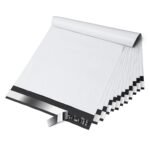
Self-sealing adhesive strip – The strip is wide and tacky. You peel, press, and it stays shut. No tape, no heat sealer, no frustration re-sticking a failed closure.
Pink color with white interior – The exterior is a cheerful, opaque hot pink. The interior is white, which makes it easier to spot an item that has fallen to the bottom during packing.
Lightweight (about 10–12 grams each) – At this weight, you’re not adding shipping cost. A couple of these in a single order won’t push you into the next price tier.
Compatible with most printers and labels – The surface takes adhesive shipping labels and tape without bubbling or peeling, as long as the surface is clean and dry.
Fit for You
This pack makes the most sense in these specific situations:
You run a boutique selling women’s tops, dresses, or accessories and want packaging that matches your brand colors.
You ship soft goods (apparel, linens, stuffed toys) and want to ditch cardboard boxes for lighter, cheaper mailers.
You need a 50-pack for a short run of orders and aren’t ready to commit to a bulk case of 100 or more.
You’re tired of mailers that tear at the seal when you try to reopen them after a mistake during packing.
You want a color that stands out in a stack of plain white bags so your packers grab the right size quickly.
Uses
The obvious place for these is shipping t-shirts and hoodies. Fold a hoodie flat, slide it in without forcing, peel the strip, press. Done. But they also handle items that normally make you nervous: a knit beanie, a toddler’s fleece jacket, a silk blouse in a zip-close bag. The mailer is smooth enough inside that nothing snags.
Another habit you’ll pick up: using them for returns. If you sell directly and the customer needs to send something back, you can include a pre-addressed Fuxury mailer in the original package. It’s cheaper than a box and weighs almost nothing.
Boutique owners I know stash a few in their car too. For those last-minute gift swaps at pop-up markets or craft fairs, dropping a scarf into a clean pink mailer and handing it over looks more polished than a plastic grocery bag.
Experience
The first thing you’ll notice when you open the box is the color. It’s a true, solid pink—not a washed-out pastel and not so bright it looks neon. The plastic has a mattish finish, not super glossy, which helps labels stay put.
Opening the bag is simple: no perforation to fight, just a wide mouth that stays open once you fold the top back. That sounds small, but when you’re packing 20 orders in a row, a bag that gapes open saves you from wrestling with it one-handed.
The seal is the standout feature. Most self-seal mailers have a strip that works okay once but fails if you peel it back to fix a fold. This one re-sealed cleanly two times during my packing test. By the third peel, the adhesive started losing grip, so you still want to get it right the first time.
One annoyance: the bag is static-prone inside. If you’re packing something synthetic (a polyester athletic shirt, for example), the item might cling as you slide it in. A quick shake of the bag before packing solves it, but you’ll be doing that regularly.
Storage is easy. The flat pack takes up less space than a shoebox. Keep them in a dry spot away from direct heat, and they’ll stay flexible—no cracking or stiffening.
Pros and Cons
Pros
Thick plastic for the price – At 28–30 microns (typical for this tier), it resists punctures from zipper teeth and jeans rivets better than many store-brand mailers we’ve seen at the same cost.
Reliable adhesive strip – The seal holds through rough handling by carriers. No popped-open mailers arriving at customer doors.
Brandable color – The pink is distinctive enough that repeat customers recognize your packaging before they see the label.
Consistent dimensions – Every bag in the 50-pack measured within 0.2 inches of the stated 14.5×19. No oddballs that are too short or skewed.
Good value per unit – Roughly $0.27 each at this price, which undercuts many boutique-focused brands while matching their build quality.
Cons
Only the pink color is this cheap – Other colors in the Fuxury line cost more per pack. If you want black or white, you’ll pay a premium.
Not suitable for heavy items – Don’t ship a hardcover textbook or a cast-iron pan in these. The seams can split if the item exceeds about 3 pounds.
No perforated tear strip – Opening the mailer on the receiving end requires scissors or a solid rip at the seam. It’s not a huge deal, but gift recipients might appreciate a quick-open feature.
Static cling inside – As mentioned, it can grab fine fabrics. A small gripe, but noticeable if you pack quickly.
50-pack limit – For a small business hitting 30-plus orders a week, you’ll repurchase often. A 100-pack option would be more convenient.
Advantages
When you look at Fuxury poly mailers vs Amazon Basics, the main difference is thickness and color. Amazon Basics mailers tend to be a tad thinner (around 25 microns commonly reported) and come in plain white. Fuxury’s extra micron or two and the pink exterior make them more suited to a boutique that cares about presentation.
Compared to best poly mailers for small business from brands like Qualitex or Uline, Fuxury undercuts them on unit price for a similar build. You’re not getting a heavy-duty industrial bag, but you’re also not paying industrial prices.
For pink poly mailers for boutique use, the color is consistent from pack to pack. Some cheaper pink mailers fade to peach after a few months in storage. These hold their pigment.
Who Should Buy
Buy these if you run a clothing or accessory store, ship 10–40 orders a month, and want packaging that looks deliberate without costing a fortune.
Buy these if you use flat shipping rates and need a lightweight bag that doesn’t bump your dimensional weight calculation.
Skip these if you ship heavy gear, metal parts, or anything with sharp edges. You need a poly bubble mailer or a box instead.
Skip these if you dislike the color pink on principle. The lack of a cheaper alternative in black or white from Fuxury means you should look elsewhere if you need neutral colors at the same price.
Skip these if you are a high-volume shipper doing 100+ packages a week—you’d be better off with a 100- or 200-pack from a wholesale supplier.
FAQ
Are Fuxury poly mailers worth it?
For a small to medium boutique, yes. You get a durable, colorful mailer that seals reliably, at a unit cost lower than most specialty shop brands. The main trade-off is limited color options at this price point.
How do Fuxury poly mailers compare to standard white mailers?
They’re slightly thicker than typical store-brand white mailers, which means fewer punctures during transit. The adhesive strip is also wider, so you don’t need tape. The downside is that white mailers often come in larger bulk sizes, which Fuxury doesn’t offer in pink.
Can you reuse Fuxury poly mailers?
You can reuse them once or twice if you’re careful. The self-seal strip loses tack after the first peel, so you’ll need strong packing tape to reseal. The plastic itself holds up, but the seal is the weak point for reuse.
Are these mailers recyclable?
They are made from polyethylene, which is technically recyclable. Most curbside programs won’t take them, but many grocery stores or drop-off centers accept #4 plastic film. Check with your local facility first.
What size items fit in a 14.5×19 mailer?
A folded hoodie or sweatshirt, up to three t-shirts folded flat, a small throw blanket, a child’s winter coat, or a pair of boots in a lightweight bag. It’s roomy enough for most clothing shipments but not for bulky outerwear like a parka.
Do Fuxury mailers have a tracking label slot?
No, they don’t come with a built-in label pocket. You apply the shipping label directly to the surface, which works fine with adhesive-backed labels. The surface holds tape well if you prefer to tape over the label for extra security.
Final Verdict
The Fuxury poly mailers earn their 4.7 rating by delivering exactly what a boutique owner needs: a sturdy, good-looking mailer at a fair price. The pink color is a genuine differentiator if branding matters, and the self-seal strip saves time and frustration. But if you ship heavy goods or prefer neutral colors, this isn’t the right pack for you. For a small business focused on clothing and accessories, it’s a reliable, cost-effective choice that won’t let you down.
Plenty of shipping bags will get a package from your table to someone’s porch. Few make the journey feel deliberate. This Fuxury poly mailers review looks at the 14.5×19 inch pink 50-pack and puts it next to the names you run into no matter where you shop for shipping supplies: Amazon Basics, Uline, and Duck Brand. If you sell clothing, prints, or anything with a little personality, this comparison should help you decide whether to buy the pink bag or save your money.
Product
Price Range
Key Strength
Key Weakness
Best For
Fuxury Poly Mailers 14.5×19 (50 pack)
Mid, around $13 for 50
Bright pink finish, good tear resistance, strong adhesive
Higher per-bag cost than discount brands; only sold in 50-packs
Small boutiques and shops that want a branded unboxing
Boring clear or white colors, nothing special to look at
Last-minute shipping runs
Start with the table if you want the quick view. The real decision between these comes down to how much you care about how the bag looks when it arrives, how many bags you need, and how much per bag you’re willing to pay. If you’re hunting for Fuxury Poly Mailers alternatives, Amazon Basics is the most obvious one, Uline is the bulk choice, and Duck Brand is the convenience pick. That leaves Fuxury in a nice spot for small business owners who want a specific color without ordering a thousand bags.
Fuxury Poly Mailers vs Amazon Basics
This is the matchup most small sellers actually wrestle with. Amazon Basics poly mailers are the default result when you search “poly mailers” and click the first item. They do the job: the adhesive holds, the plastic survives a normal shipping route, and you’ll pay less per bag than you do for Fuxury’s 14.5×19 poly mailers 50 pack. But they have the visual appeal of a plastic grocery bag. If your customer sees the package at the doorstep, Fuxury’s pink color makes the same boring envelope feel intentional. That matters for a boutique. For a seller shipping phone chargers or spare parts, Amazon Basics is the rational call. You save a little cash and get no color or personality in return.
Fuxury Poly Mailers vs Uline Self-Seal Poly Mailers
Uline is the industrial option. Their self-seal mailers come in a huge range of dimensions, and the plastic feels more substantial than most consumer brands. That is a real advantage when you’re shipping heavy books or thick catalogs. But Uline’s pricing is set up for businesses that buy in quantity, and shipping costs can muddle the deal. You can’t easily drop $13.49 and get 50 pink mailers to your door as a test run. The “are Fuxury poly mailers worth it” question mostly comes down to this: if you need a specific standard size and want a finished look without volume commitments, Fuxury makes sense. If your catalog regularly sends out packages wider than 14 inches, Uline remains the dependable alternative for variety and toughness.
Fuxury Poly Mailers vs Duck Brand Poly Mailers
Duck Brand sits between the two above. You’ll find it in office supply aisles, the adhesive is strong, and the bright yellow packaging makes it easy to spot. The problem is that Duck Brand mostly sells clear or white mailers, so if you’re shopping for pink poly mailers for boutique orders, you’ve already lost the color argument before opening the box. Duck Brand’s strength is convenience. A Fuxury order takes a few days and arrives in a compact package with a distinctive look. Duck Brand is for the person who runs out of mailers on a Tuesday and needs a batch from the store that afternoon. Both work, but they’re solving different problems.
If you run a small clothing brand, print shop, or any business where the package is part of the experience, the pink 14.5×19 Fuxury mailers make sense. You get the color, the correct size for most folded apparel, and enough thickness to survive the courier without being overbuilt. They’re worth the cost when you compare them to branded boxes. If you need cheap, colorless, high-volume shipping and compete on price, choose Amazon Basics. If you need odd sizes or heavier-duty plastic, Uline is the alternative to check first. Duck Brand is there for emergency runs, and that’s okay. For best poly mailers for small business in 2026, the right answer depends on whether you’re shipping stuff or shipping an experience.
Ready to decide on the Fuxury Poly Mailers?
See today’s price, stock and delivery options on Amazon.