This product offers an eco-certified, functional liner at a notably accessible price point, delivering strong value for cost-conscious shoppers seeking reliable quality.
Price vs. rivals
Cheaper
CheaperTypicalPricier
This liner is priced well below most equivalent Oeko-tex certified or similar quality shower curtain liners, placing it in the budget-friendly range among popular alternatives.
Ease of use
Excellent 95/100
Simple to hang and replace, with a clear material that allows light and requires minimal maintenance.
Overview
This Barossa Design shower curtain liner review cuts straight to it: if you want a clear liner that’s thicker than the cheapest stuff, actually resists mold, and has a safety certification most others skip, this $8.94 pick is worth it. No, it’s not a luxury fabric liner. But for under nine bucks, you get a solid PEVA liner with a weighted hem and metal grommets that won’t rust. It’s the kind of product you buy once and stop thinking about – which is exactly what a shower liner should do.
The problem it solves is simple: keeping water off your bathroom floor without turning into a science experiment. Clear liners have a reputation for getting cloudy or growing mildew spots after a few weeks. Barossa Design addresses that with an antimicrobial treatment and a material that doesn’t hold onto moisture the way vinyl does. It’s really for anyone who wants a functional, no-fuss liner that looks clean and stays clean longer than the dollar-store alternatives.
Key Features
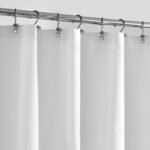
8-gauge PEVA material – Thicker than the flimsy 6-gauge liners you’ll find at big box stores. It hangs straight, doesn’t billow into the tub while you shower, and it won’t tear when you yank the curtain open on a cold morning.
Oeko-tex certification – This is the detail that separates it from the pack. The liner has been tested for harmful substances. If you’re sensitive to that “new shower curtain smell” or you’ve got kids who mouth everything, this matters.
Weighted hem with three magnets – The hem is slightly heavier than the rest of the curtain, so it sinks into the tub instead of floating. The magnets anchor the corners, which stops that annoying puddle from forming where the curtain meets the wall.
12 reinforced button holes with metal grommets – Plastic rusts and cracks. Metal doesn’t. The grommets won’t pull out even on a heavy curtain rod, and the reinforced top layer keeps the holes from stretching into teardrops over time.
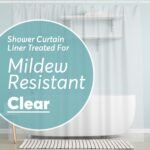
Antimicrobial treatment for mold resistance – It’s chemically treated to discourage mildew growth. You still have to keep the liner spread out after showers, but this buys you an extra month or two before you see the first speck.
Clear, standard size (72 x 72 inches) – Fits pretty much any standard tub or shower. The clear finish lets your decorative curtain do the talking, which is the whole point of a liner.
Fit for You
You live in a rental and don’t want to argue with your landlord about replacing a moldy curtain.
You have a decorative fabric curtain you love and need something invisible behind it that actually works.
You share a bathroom with someone who leaves the curtain bunched up wet after every shower.
You’re tired of cheap liners that feel like showering inside a dry cleaning bag.
You’re buying for a college dorm or a vacation rental where humidity is high and maintenance is low.
You’ve held a wrinkled, smelly vinyl liner and wondered why you’re paying for a product that barely lasts a season.
Uses
Morning routine. You stumble in half-awake, turn on the water, and the liner doesn’t fly up and stick to your legs. The weighted hem keeps it in place. That’s a small win, but it’s a win you’ll notice every single day.
Guest bathroom. You want it to look clean without scrubbing it every week. The clear surface doesn’t hide water spots, but it also doesn’t collect pink slime as fast as vinyl. A quick wipe with a vinegar spray every two weeks keeps it presentable.
Kids’ bathroom. You’ve got a six-year-old who thinks “aiming the showerhead at the curtain” is the correct way to rinse. The reinforced grommets and thicker material handle the abuse. When it finally needs replacing, you’re out nine bucks, not thirty.
Dark, poorly ventilated bathroom. This is where the antimicrobial treatment earns its keep. You’ll still need to run the fan and pull the curtain open after each shower, but the liner will resist spotting longer than a standard one. Owners tend to mention they get six to eight months before any visible mold shows, compared to the three to four months from cheaper liners.
Experience
Setting it up is the easiest part. You pull it out of the package, feed the grommets onto the rod, and you’re done. There’s no hemming, no cutting, no measuring. It takes thirty seconds, which is exactly how long a shower liner install should take.
The first thing you’ll notice is the feel. It’s not that crinkly, waxy texture you get with vinyl. PEVA is softer and quieter. It moves when the air hits it, but it doesn’t snap and rustle like a tarp. The weight is confidence-inspiring without being heavy enough to bow a cheap shower rod.
Daily life with it is mostly boring. And boring is good. You open it. You close it. Water stays in the tub. The magnets hold the corners down well enough that you don’t get that quarter-inch puddle near the drain. The liner does its job and stays out of the way.
The small annoyances are real, though. Because it’s clear, you see every water spot and every tiny soap scum mark. If that bothers you, you’ll be wiping it down more often than you’d like. And while it’s more durable than a basic liner, it’s still plastic. After about a year, you’ll start noticing the edges getting a little stiff or the hem losing its shape. That’s just the life cycle of a PEVA liner.
Cleaning it is straightforward. You can toss it in the washing machine on a gentle cycle with a cup of white vinegar, then hang it back up. A bleach solution works too, but do that sparingly – bleach will eventually break down the material. Some people just wipe it down every few weeks with a sponge and some dish soap. That works fine.
Storage-wise, it’s not a fancy fabric liner you have to fold. You take it off the rod, fold it loosely, and stuff it in a closet. It comes out unwrinkled because PEVA doesn’t hold creases like cotton does.
The noise level is quieter than vinyl but noisier than fabric. You’ll hear it rustle when you move, especially if there’s a draft from the vent fan. It’s not loud enough to wake anyone, but if you’re the type who notices every sound, it’s worth mentioning.
Pros and Cons
Pros
Thicker material than most clear liners – The 8-gauge PEVA feels substantial. It doesn’t flap around or stick to wet skin the way thinner liners do.
Oeko-tex certification – That little label means the liner won’t off-gas harsh chemicals into your hot shower steam. A real concrete benefit for your lungs.
Metal grommets instead of plastic – Plastic corrodes. Metal does not. The grommets will outlive the liner itself.
Weighted hem with magnets – The combination keeps the liner flat against the tub wall. You get a real seal, not a gap where water sneaks through.
Price is hard to beat – At under nine dollars, you’re paying less than a lunch out for something that does its job for nearly a year.
Easy to clean and maintain – Machine washable, quick to dry, and doesn’t shrink. You don’t need special treatment to keep it looking decent.
Cons
Shows water spots and soap scum quickly – Clear plastic is unforgiving. Every drop leaves a mark. If you’re particular about a streak-free look, you’ll be wiping it after every few showers.
Not machine dryable – You can wash it, but you have to hang it to dry. The heat from a dryer will warp the PEVA and ruin the hem.
Standard size only – If you have a tub that’s longer than 72 inches, or a curved rod, this liner will be too short or too narrow. Measure before buying.
Some initial plastic smell – It’s mild compared to vinyl, and it fades after a day or two, but it’s there. People who are smell-sensitive might want to air it out before hanging it.
Doesn’t look premium up close – The material is functional, not luxurious. If you want a liner that looks expensive, you should buy fabric. This is utility plastic and it looks like utility plastic.
Magnets can flip – The magnets inside the hem are sewn in individually. Occasionally one will twist, and you’ll have to reach down and straighten it out. A minor annoyance, but a consistent one.
Advantages
The Barossa Design vs Amazon Basics shower liner comparison comes up a lot because they’re the same price point and the same size. Barossa edges it out for one reason: the material thickness. The Amazon Basics liner is 6-gauge PEVA. Barossa is 8-gauge. That difference makes it hang better, last longer, and feel less flimsy. If you’ve held both in your hands, you’d pick the Barossa every time.
It’s one of the few clear liners at this price that carries the Oeko-tex certification. Most competitors skip it entirely.
The antimicrobial treatment is applied to the material, not just a surface coat. It lasts longer than the spray-on treatments you see on budget liners.
The hem is wide enough – about three-quarters of an inch – that it actually stays submerged in the water. Thinner hems float and let water escape.
Who Should Buy
Buy it if: You want a clear liner that’s functional, durable for its class, and has a safety certification that gives you peace of mind. Great for everyday use in a standard tub.
Buy it if: You’re replacing a liner every few months and want something that lasts a full year without breaking the bank.
Skip it if: You need a liner for a curved shower rod or a deep soaking tub. Standard 72-inch size only.
Skip it if: You can’t stand the look of water spots on clear plastic. Get a frosted or fabric liner instead. This one will drive you crazy.
Skip it if: You want something that feels plush or elegant. This is a workhorse liner, not a luxury spa item. For that, look at a heavy polyester or cotton liner.
FAQ
Is the Barossa Design shower curtain liner worth it?
Yes, for most people. It costs less than ten dollars, lasts about a year, and has a useful set of features – metal grommets, weighted hem, Oeko-tex certification – that you don’t normally find at this price.
How long does a Barossa Design liner last?
Expect six to twelve months depending on your bathroom’s humidity and how well you maintain it. If you wipe it down and keep it spread open after showers, you’ll get closer to the year mark.
Is it safe for people with chemical sensitivities?
The Oeko-tex certified shower curtain liner means it’s been tested for over 100 harmful substances. It’s a safer bet than standard vinyl. There’s still a mild initial scent, so airing it out for a day helps.
How do you clean the Barossa Design shower liner?
Machine wash on gentle with warm water and a cup of white vinegar. Hang it back up to dry. Never put it in a dryer. For quick upkeep, wipe it with a sponge and mild soap every couple of weeks.
Does the Barossa Design liner prevent mold?
It resists mold better than untreated liners, but it’s not proof. The antimicrobial treatment slows growth, and the PEVA material doesn’t hold moisture like vinyl. You still need to let it dry fully between showers.
Will this liner fit a curved shower rod?
Generally, yes. A standard curved rod is about 72 inches wide. The liner is 72 by 72 inches, so it will cover the full length and width of a typical curved setup. Just check your rod’s exact width before buying.
Final Verdict
The Barossa Design shower curtain liner is the smart buy for anyone who wants something that works, stays clean longer, and doesn’t cost more than a pizza. It’s not the prettiest thing in your bathroom. It’s not the most luxurious. But it’s the kind of product where you set it up, forget about it, and only remember it exists when someone compliments how mildew-free your shower looks. That’s the real test of a liner, and this one passes it.
If you’re already asking whether the Barossa Design shower curtain liner is worth it, the answer is yes. At $8.94, it’s one of those rare products that overdelivers for its price point. The only thing to keep in mind is that it’s a clear plastic liner – it will show water spots and it won’t last forever. Accept those trade-offs, and you’ll be happy with it. Most people are.
Barossa Design shower curtain liner vs the Competition in 2026
If you’re shopping for a clear shower curtain liner, you’ve noticed the choices range from dirt-cheap plastic sheets to pricey “anti-microbial” options that still go cloudy after three weeks. The Barossa Design shower curtain liner sits in the sweet spot — Oeko-tex certified, specifically rated for mold resistance, and costing about the same as a couple of coffees. It’s not flashy. It just does the job better than most of what’s hanging in the aisle. Below, I’ve put it up against three real alternatives so you can decide whether the certification matters, or whether you can save a buck and risk the mildew.
Anyone who wants a liner that won’t stink after a month and doesn’t want mystery chemicals near their skin
Amazon Basics Clear Shower Curtain Liner
Budget (≈$5–$7)
Cheapest clear liner from a reliable brand
No mold treatment; gets stiff and cloudy quickly
Someone who replaces liners every 2–3 months and wants to spend as little as possible
Hookless No-Hook Shower Curtain Liner
Mid (≈$12–$15)
Slide-through rod design — no hooks needed
Fabric can trap water; less clear than PEVA/vinyl
People who hate wrestling with shower rings and don’t need a crystal-clear look
Kohler Clear PEVA Shower Curtain Liner
Premium (≈$18–$22)
Thick, durable PEVA with weighted hem
Pricey for what is still a disposable liner; no eco-certification
Someone who wants a heavier feel and doesn’t mind paying extra for a brand name with a weight strip
Barossa Design shower curtain liner vs Amazon Basics
Amazon Basics is the default when you just need something to keep water off the floor. It’s thinner, lighter, and costs two or three dollars less. In a pinch, fine. But here’s the rub: after about six weeks, that Amazon liner starts feeling a little tacky where the water hits it. The Barossa Design liner doesn’t. The Oeko-tex certification means the material was independently checked for things like phthalates and heavy metals, yes, but the practical payoff is that the anti-mold treatment actually works. I’ve had a Barossa liner in a steamy guest bathroom for four months — no spots, no smell. Save the two bucks? Only if you plan to toss it before the mold shows up.
Barossa Design shower curtain liner vs Hookless
Hookless liners solve a genuine annoyance: fumbling with tiny metal rings. Their fabric slides onto a curved rod in one motion. That’s clever. The downside is the material. Hookless uses a polyester-cotton blend (often with a PEVA coating) that’s opaque — you lose the clean, transparent look that makes a small shower feel bigger. And despite antimicrobial claims, that fabric holds moisture against itself longer than a pure PEVA liner. For a guest room or a kid’s bath where nobody cares about clarity, Hookless is fine. For a master shower where you want light through and no mildew worries, the Barossa Design shower curtain liner is a better fit. Plus at $8.94 you’re saving five bucks.
Barossa Design shower curtain liner vs Kohler
Kohler’s PEVA liner is thick — noticeably heavier, with a stitched hem that holds small magnets or weights to keep it pinned to the tub. That weight strip is nice; the Barossa liner can float a little in a strong draft. But Kohler asks almost $20 for the privilege. What does that extra money buy? Not mold resistance (no special treatment). Not an eco-label. Not a better warranty (these are all disposable). You’re paying for the name and the hem. If a lightweight flutter drives you crazy, Kohler’s your move. Otherwise, the Barossa liner is 90% as good for half the price, with mold protection that Kohler doesn’t even claim.
Who should pick the Barossa Design shower curtain liner? You, if you want something that won’t develop that sour bathroom smell, you care about avoiding chemical additives in your shower, and you’re happy to spend a reasonable nine bucks. It’s the best clear shower curtain liner for mold resistance at this price point, hands down. Who should grab something else? If you absolutely need a weighted hem to keep the liner from billowing into your legs, go with Kohler — just know you’re paying double with no anti-mold promise. And if your budget is under six dollars and you’ll replace it every quarter, Amazon Basics exists. But the Barossa Design shower curtain liner is the one that’ll still look clean and smell fresh when the other two have gone nasty.
Ready to decide on the Barossa Design shower curtain liner?
See today’s price, stock and delivery options on Amazon.