If you’re wondering whether the Diet Coke 12 Pack is worth adding to your cart, the short answer is yes—if you know what you’re signing up for. This Diet Coke review will tell you straight up: it’s the original diet cola for a reason. Great taste, zero sugar, and that sharp, crisp bite make it a staple for anyone cutting calories without giving up the ritual of cracking a cold can.
A well-known brand with high customer satisfaction and a standard price point positions it as a reliable mid-range choice.
Price vs. rivals
Pricier
CheaperTypicalPricier
Priced slightly above typical 12-pack soda offerings, reflecting brand recognition and diet formulation popularity, yet still within a competitive mid-to-upper range.
Ease of use
Excellent 95/100
A standard pull-tab can is intuitive to open and drink from, requiring no special effort or tools.
Overview
This is a 12-pack of the classic 12 fl oz slim cans. It solves a very specific problem: you want a cold, caffeinated cola but don’t want the 140 calories and 39 grams of sugar that come with a regular Coke. It replaces all of that with 0 calories and a flavor profile that stands apart from its sugary sibling.
It’s really for people who prefer a lighter, more sparkling beverage with a sharp citrus finish. If you’re looking for the best diet soda for weight loss that doesn’t feel like a compromise, this is a contender—but only if its specific taste clicks with you. It’s been the office fridge staple and lunchtime go-to for decades because it delivers exactly what it promises: zero guilt and a reliable caffeine lift.
Key Features
Zero Sugar / Zero Calories: Each can contains 0g sugar and exactly 0 calories. If you’re tracking your intake or cutting empty calories out of your daily routine, this makes it an easy swap without losing the ritual of a cold soda.
Distinct Diet Coke Flavor: It’s noticeably less sweet than both regular Coke and Coke Zero. You get a sharper, more citrusy finish with a bubbly bite that people either love or strongly dislike.
Diet Coke Caffeine Content: 46mg per 12 oz can. It’s enough to take the edge off a 3 PM slump without the jitters you might get from a full cup of coffee. Less than coffee, more than regular Coke (34mg).
Slim Can Design: The tall, sleek 12 oz can fits most standard car cup holders. It feels satisfying to hold and cracks open with that signature hiss you associate with a fresh soda.
Convenient Bulk Pack: Buying a 12-pack saves you from paying the premium for single cans at a vending machine. It’s a pantry staple you can rotate into the fridge as needed.
Fit for You
You’re trying to break a daily sugar habit but still want something flavorful and carbonated to drink with lunch.
You need a low-calorie drink option to keep stocked in your desk drawer at work for that mid-afternoon slump.
You’re following a keto or low-carb plan and miss having a sweet, cold beverage that won’t knock you out of ketosis.
You’re hosting a casual get-together and want a non-alcoholic option that doesn’t scream “soda pop” and pairs well with salty snacks.
You like your cola consistently ice-cold and don’t want to deal with a 2-liter bottle going flat three days after opening.
Uses
Lunchtime is where it earns its keep. A cold can next to a sandwich or a bowl of soup hits a familiar spot that water just can’t fill. It cleanses the palate without weighing you down.
It works as a reliable mixer for low-calorie cocktails or a simple rum and Coke. You skip the syrupy sweetness of regular soda, and the sharpness of the Diet Coke actually holds up better against the alcohol.
Road trips are another perfect use case. The 12-pack is stable enough to toss in a cooler with ice, and the slim cans fit neatly in the door pocket. It gives you a caffeine boost during a long drive without the crash that comes from sugary energy drinks.
Experience
Opening a can of Diet Coke has a distinct sound—a sharp hiss that promises aggressive bubbles. The first sip is the best part of the experience. That immediate fizz hits your tongue, followed by a quick, clean finish that doesn’t coat your mouth the way regular soda does.
The catch is the temperature. It’s best served aggressively cold, almost icy. Let it sit out for 15 to 20 minutes and the magic fades fast. The subtle citrus notes fall apart, and the artificial sweetener becomes more noticeable. You really want to drink it quickly once you crack it open.
Storage is easy enough. The box is compact and fits on a standard fridge shelf without hogging the whole space. You can stash a few cans in the door and rotate them in as they get cold. The only small annoyance is that the cans are thin-walled; they can dent if you drop a new pack into the fridge too hard.
Pros and Cons
Pros
Zero calories, zero sugar. For anyone watching their weight or managing blood sugar levels, this is a direct swap that saves you 140 calories per can compared to regular Coke.
Unique, crisp flavor. It doesn’t try to copy regular Coke. It has its own identity with a lighter body and a sharp finish that fans crave.
Decaf caffeine content. 46mg is a solid middle ground. Enough to help you focus, not so much that it makes you anxious.
Solid value for the price. At around $7.68, it’s competitive with grocery store pricing and saves you a dedicated trip to the store.
Cons
Artificial sweetener aftertaste. Aspartame is divisive. If you’re sensitive to it, the lingering finish on your palate can ruin the experience.
Goes flat fast. You have about 20 minutes before it loses its carbonation edge. It’s not a sipping soda; it’s a drink-it-now soda.
Not for everyone. If you already know you dislike the taste of diet sodas, this won’t convert you. It simply doubles down on the flavor profile that diet drinkers already love.
Packaging generates waste. 12 individual cans means more recycling than buying a single 2-liter bottle. The trade-off is freshness and portability, but it’s worth considering.
Advantages
The biggest advantage Diet Coke has over its competitors is consistency. You know exactly what you’re getting: a sharp, zero-calorie cola with a cult following that’s been around for 40 years.
Diet Coke vs Coke Zero: This is the main head-to-head people care about. Coke Zero is formuled to taste as close to regular Coca-Cola as possible. Diet Coke makes no such promise. It has a lighter, more citrusy flavor with a thinner body. Fans of Diet Coke usually find Coke Zero too syrupy and sweet. Fans of regular Coke usually find Diet Coke too thin and sharp. They are different beverages intended for different palates. If you’re choosing between them, it comes down to whether you want a copy of regular Coke (Zero) or an original alternative (Diet Coke).
Beats regular soda for calries: Swapping just one regular Coke per day for a Diet Coke saves you 51,100 calries per year. That’s a real, tangible advantage if you’re trying to manage your weight without giving up the habit of a cold cola.
More portale than a 2-liter: The 12-pack format means you always have a fresh, carbonated can ready. No dealing with a half-empty bottle that’s lost its fizz in the fridge.
Who Should Buy
Buy it if: You already know you like Diet Coke, or you’re looking for the best diet soda for weight loss and want a zero-calorie option that actually has some personality. It’s also a good buy if you’re a regular diet soda drinker and want the convenience of bulk delivery.
Buy it if: You need a low-calorie caffeine source that fits in a lunch box or cooler. The portability of the 12-pack format is hard to beat in this category.
Skip it if: You can’t stand the taste of aspartame or saccharin. No amount of “it’s an acquired taste” will fix a palate that dislikes artificial sweeteners.
Skip it if: You want something that tastes exactly like regular Coke. In that case, pick up a pack of Coke Zero. Diet Coke is its own animal, and it’s not trying to fool you into thinking it’s sugared soda.
FAQ
Is the Diet Coke 12 Pack worth it?
Yes, at roughly $7.68, it’s a competitive price that matches or beats most grocery stores. You’re paying for the convenience of having 12 fresh, portable cans delivered to your door, which saves you a trip.
Is Diet Coke good for weight loss?
It can be a useful tool. Replacing a 140-calorie regular Coke with a 0-calorie Diet Coke saves you 980 calries per week if you drink one a day. That adds up to a significant reduction over time, assuming you don’t compensate elsewhere.
What is the difference between Diet Coke vs Coke Zero?
Diet Coke has a lighter, more citrusy flavor profile with a sharp, clean finish. Coke Zero is formlated to taste almost identical to regular Coca-Cola, with a slightly sweeter, more caramel-heavy taste. They use different sweetener blends and are not the same product.
What are the Diet Coke ingredients?
Carbonated water, caramel color, aspartame, phosphoric acid, potassium benzoate (proects taste), natural flavors, citric acid, and caffeine. The blend of natural flavors is what gives it that signature citrus note.
Is Diet Coke keto-friendly?
Yes, it fits a ketogenic diet. It contains 0g of crabs and 0g of sugar. The main concern for some is whether the aspartame triggers an insulin response, but it will not kick you out of ketosis on a standard keto plan.
Does Diet Coke break a fast?
It depends on your goals. Strictly speaking, it contains zero calories and won’t spike blood sugar, so it is compatible with fasting for weight loss. However, some purists believe artificial sweeteners can trigger a cephalic insulin response or increase cravings.
Final Verdict
This Diet Coke review comes down to this: the 12-pack is a reliable, fair-priced pantry staple for anyone who already understands the product. It’s not a health drink—it’s a low-calorie alternative that des exactly what it says on the box. Zero sugar. Zero calries. A sharp, polarizing taste.
The one thing you need to keep in mind is the flavor. If you’ve enjoyed Diet Coke before, this is a smart, convenient buy. If you haven’t, grab a single can first. For zero calries and that uniquely crisp bite, it remains a strong contender for the best diet soda for weight loss for anyone who prioritizes taste over mimicking regular cola.
Diet Coke has been on the shelf since 1982, and in 2026 it’s still the diet cola most people picture when they hear “diet soda.” This 12-pack sits at roughly $7.68 — squarely in the middle of the market, neither the cheapest option nor the priciest. It’s got zero sugar, zero calories, and that polarizing citrusy bite that some people swear is the only diet cola worth drinking. Others find it thin or metallic. In this review, I’m pitting the Diet Coke 12 Pack against three real alternatives to help you decide if it’s still the right can for your fridge — or if you should grab something else.
Product
Price Range
Key Strength
Key Weakness
Best For
Diet Coke 12 Pack
Around $7.68 (mid)
That crisp, citrusy bite that’s consistent across every can
Some find it too thin or metallic; less cola-forward
Fans of the classic diet cola profile who know they like it
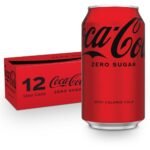
Coke Zero Sugar 12 Pack
Similar to Diet Coke ($7–$8)
Tastes much closer to regular Coca-Cola than Diet Coke does
Doesn’t have Diet Coke’s distinctive edge; can feel flat by comparison
People who want a diet cola that mimics the real thing
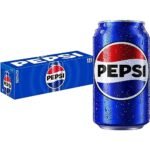
Pepsi Zero Sugar 12 Pack
Usually a bit cheaper ($6–$7)
Sweeter, fuller mouthfeel; budget-friendly
Can taste syrupy; less crisp finish
Budget shoppers who prefer a sweeter cola or use it as a mixer
Zevia Zero Sugar Cola 12 Pack
Premium (often $9–$10)
No artificial sweeteners; stevia-based with a clean label
Distinct aftertaste; carbonation goes flat fast after opening
Clean-label shoppers willing to trade classic cola taste for natural ingredients
Diet Coke 12 Pack vs Coke Zero Sugar
This is the comparison everyone makes firsst, because they’re from the same parent company and they sit rihgt next to each other. The real difference is the taste base. Diet Coke was formulated as its own thing — lighter, with a citrusy note that cuts through even when the can is lukewarm. Coke Zero was built to tast like regular Coca-Cola, and it gets closer than Diet Coke ever did. If you pour both blind, the Diet Coke tastes like Diet Coke, and the Coke Zero tastes like a slightly thinned-out version of the original. That’s not a knock on either — it’s just what they’re going for. The caffeine content is nearly identical (both are around 46 mg per can), and both have zero sugar and zero calories. So the choice is simple: if you like that distinctive Diet Coke bite, stick with the 12 Pack. If you want something that tastes less like a diet soda and more like the real deal, grab the Coke Zero instead.
Diet Coke 12 Pack vs Pepsi Zero Sugar
The cola war is still going, even in the diet aisle. Pepsi Zero Sugar typically costs a dollar or two less than the Diet Coke 12 Pack, which adds up if you’re stocking a mini fridge. But the taste gap is real. Diet Coke is sharp and crisp, with that metallic zip that separates it from nearly every other diet cola. Pepsi Zero Sugar is sweeter and fuller on the tongue — it’s closer to the mouthfeel of a full-sugar soda. Some people find Diet Coke too thin. Others find Pepsi Zero too syrupy. There’s also the mixer question. If you’re pouring rum or whiskey, Diet Coke holds up better because its sharpness cuts through the alcohol. Pepsi Zero tends to get lost in the mix. So if you’re drinking it straight and want to save, the Pepsi is the smarter buy. If you’re mixing, Diet Coke wins.
Diet Coke 12 Pack vs Zevia Zero Sugar Cola
Zevia is the odd one out here: it uses stevia instead of aspartame, and it comes with a “natural” label that some shoppers are willing to pay extra for. The trade-off hits you on the first sip. Diet Coke’s flavor is sharp, consistent, and polarizing — you know exactly what you’re getting. Zevia has a noticeably different aftertaste, sort of like a herbal tea that’s trying to pass itself off as a cola. Some people genuinely like it. Most people who try it once don’t reach for it again. The other annoyance is the carbonation: Zevia goes flat within twenty minutes of opening, which matters if you sip slowly. And at $9 or $10 per 12-pack, it’s a pricey habit if you drink more than one a day. If ingredients are your top priority and you can handle the aftertaste, Zevia is worth a try. If you just want a diet soda that tastes the way you expect a diet soda to taste, the Diet Coke 12 Pack is still your better bet.
So, is Diet Coke worth it in 2026? If you already know you love that specific crisp profile, yes — this 12-pack delivers exactly what you expect, every time. For weight loss, it’s fine: zero calories, zero sugar, same as the others. It’s not magically better for you than the competition. But if you’re on a tight budget and don’t care about brand loyalty, grab the Pepsi Zero Sugar 12 Pack and save a few bucks. If you want something that tastes more like regular Coke, go with Coke Zero. And if you’re willing to pay a premium for a clean label and can handle the aftertaste, Zevia has a place in your rotation. But for the original diet cola that started it all — the one with that unmistakable bite — the Diet Coke 12 Pack is still the one.
Ready to decide on the Diet Coke 12 Pack?
See today’s price, stock and delivery options on Amazon.